Does Medicare Cover Nursing Home Care?

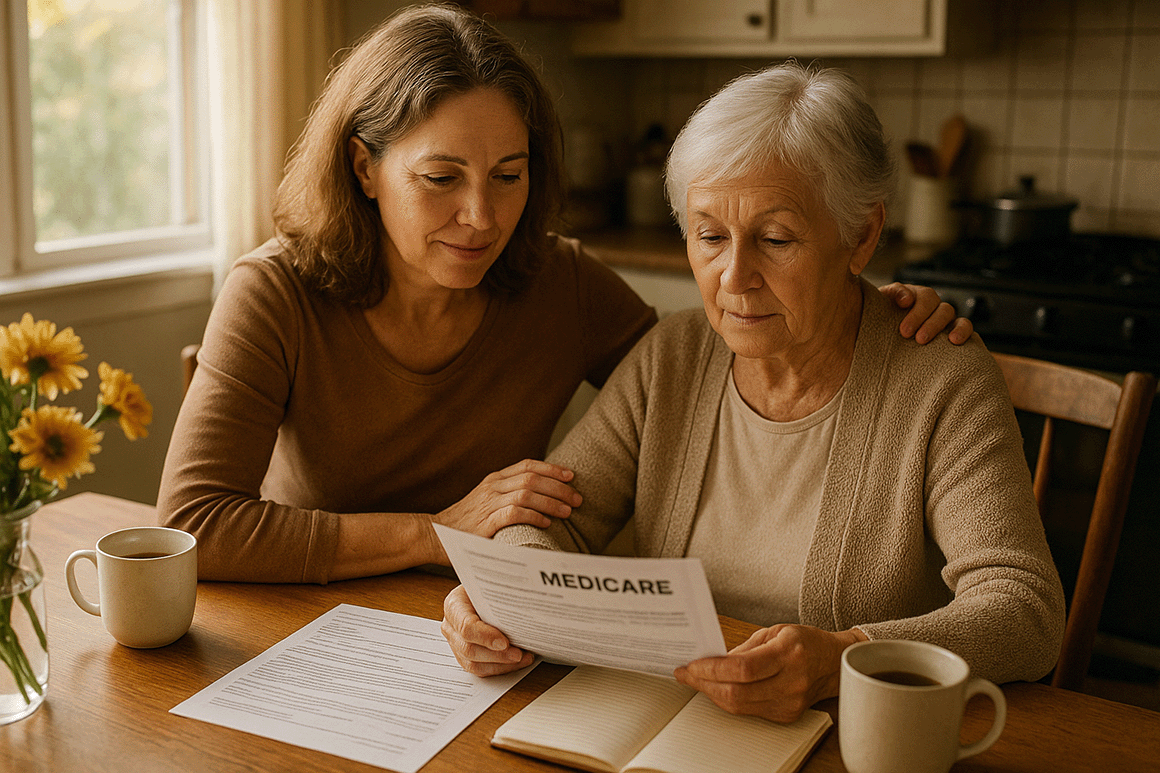
An adult daughter with her elderly mother discussing Medicare and nursing home care.

When you or a loved one needs nursing home care, one of the first questions that comes to mind is: “Will Medicare help pay for this?” It’s a question that weighs heavily on many families, and honestly, the answer isn’t quite as simple as yes or no.

Medicare does cover some nursing home care—but only under specific conditions, and typically for a limited time.

Let’s walk through this together. We’ll break down exactly what Medicare covers, how long that coverage lasts, and what options you have when Medicare stops paying. Whether you’re planning ahead or facing this decision right now, understanding your coverage can help you make informed choices about care.

What Kind of Nursing Home Care Does Medicare Actually Cover?

Medicare generally covers what’s called skilled nursing facility care, but it doesn’t cover long-term custodial care. So what’s the difference?

Skilled nursing care means you need medical services that can only be provided by or under the supervision of a registered nurse or other skilled medical professionals. We’re talking about things like wound care, physical therapy, speech therapy, or IV medications. This is medical care that requires professional expertise.

On the other hand, custodial care is help with daily living activities—things like bathing, dressing, eating, or getting in and out of bed. While these services are absolutely essential and valuable, they’re not considered medical treatment, which means Medicare doesn’t cover them for extended periods.

Understanding this distinction is key because it shapes everything about your coverage and what you’ll need to plan for financially.

Medicare Part A and Hospital Insurance

Medicare Part A, often called hospital insurance, is the part of Medicare that can help pay for nursing home stays. But there’s a catch—actually, there are several conditions you need to meet before Medicare coverage kicks in.

First, you need what’s called a qualifying hospital stay. That means you must have been an inpatient in a hospital for at least three consecutive days (not counting the day you’re discharged). This hospital stay has to happen before you’re admitted to the skilled nursing facility, and you generally need to move to the nursing home within 30 days of leaving the hospital.

Second, you need to require skilled nursing care or skilled rehabilitation services on a daily basis. Your doctor has to certify that you need this level of care, and the nursing home must be Medicare-certified. Not all nursing homes accept Medicare, so that’s something to verify.

When these eligibility requirements are met, Medicare Part A steps in to help cover the costs. But remember—this coverage has time limits that we’ll get into next.

How Many Days Will Medicare Pay?

So how many days of nursing home care will Medicare cover? The answer is up to 100 days per benefit period—but it’s not quite as straightforward as it sounds.

For the first 20 days of your stay in a skilled nursing facility, Medicare covers the full cost. You don’t pay anything out of pocket during this time, which can be a huge relief when you’re already dealing with health challenges and recovery.

But here’s where it changes. From day 21 through day 100, Medicare still provides coverage, but you’ll need to pay a daily coinsurance amount. As of 2024, this coinsurance is $200 per day, though these amounts can change yearly. That adds up pretty quickly—we’re talking about potentially $16,000 over those 80 days.

After day 100, Medicare coverage ends completely for that benefit period. Once Medicare stops paying, you become responsible for the full cost of your care, which can vary widely depending on where you live and what level of care you need.

So, to summarize how Medicare pays for your nursing home stay:

The First 20 Days

  • Medicare covers the full cost
  • You pay nothing out of pocket
  • No coinsurance or copayment required

Days 21 Through 100

  • You pay $200 per day coinsurance (2024 rate)
  • Medicare covers the remaining approved costs
  • Your total: up to $16,000 for these 80 days

After Day 100

  • Medicare coverage ends completely
  • You pay the full daily rate
  • Average cost: $6,000-$8,000 per month in Louisiana

What Exactly Is a Benefit Period?

The term “benefit period” confuses a lot of people, so let’s clarify. A benefit period begins the day you’re admitted to a hospital or skilled nursing facility and ends when you haven’t received inpatient care for 60 consecutive days.

Here’s why this matters: you can start a new benefit period if you meet the requirements again. That means if you’ve fully recovered and then later need another hospital stay followed by skilled care, you could potentially get another round of Medicare coverage. There’s no limit to how many benefit periods you can have throughout your life, but each one requires that qualifying hospital stay and the need for skilled nursing.

Think of it this way—each benefit period is like hitting a reset button, but only after you’ve been out of inpatient care for those 60 consecutive days.

Medicare Advantage Plans

If you have a Medicare Advantage plan (sometimes called Medicare Part C), your coverage might work a bit differently. These plans are offered by private insurance companies approved by Medicare, and while they must cover everything Original Medicare covers, they often provide additional benefits.

Many Medicare Advantage plans include coverage for skilled nursing facility care with similar rules to traditional Medicare. However, your plan might have different cost-sharing arrangements or may require you to use nursing homes within their network. Some Medicare Advantage plans also offer limited coverage for custodial care or assistance with daily living—something Original Medicare doesn’t cover at all.

It’s worth reviewing your specific Medicare Advantage plan details or talking with your plan representative to understand exactly what’s covered and what your out of pocket costs might be.

What Medicare Doesn’t Cover

Here’s where we need to be really clear about what Medicare won’t pay for, because this is where families often get surprised. Medicare doesn’t cover long-term custodial care in nursing homes. If you need help with daily activities but don’t require ongoing skilled medical care, you’ll need to find other ways to pay.

Medicare also doesn’t cover private rooms unless they’re medically necessary. You typically won’t get coverage for personal care items, phone or television charges, or personal services that aren’t related to your medical treatment. And importantly, Medicare Part B (which covers outpatient care and medical supplies) might cover some services while you’re in a nursing home, but it won’t pay for the room and board.

The reality is that most nursing home residents eventually need long-term care that goes beyond what Medicare covers. That’s why it’s so important to plan ahead and understand your other payment options.

What To Do When Medicare Coverage Ends

When your Medicare coverage ends—whether that’s after 100 days or when you no longer need skilled care—you’re not out of options, but you do need to figure out how to cover the costs. And let’s be honest, nursing home costs can be substantial. In Louisiana, the average cost for a private room in a nursing home runs around $6,000 to $8,000 per month, and that can go even higher depending on your specific care needs.

So what can you do? Many people pay out of pocket using personal savings. Others might sell assets, use reverse mortgages, or rely on help from a family member. Some nursing home residents transition to Medicaid once their resources are spent down, which we’ll talk about in a moment.

This transition period when Medicare stops paying can feel overwhelming. It’s one of those times when having a solid plan in place really makes a difference. You might want to talk with an elder law attorney who can help you understand your options and navigate the financial aspects of long-term care.

Planning for the Future Through Long-Term Care Insurance

One way people plan for potential nursing home costs is through long-term care insurance. These policies are specifically designed to cover services that Medicare doesn’t—like help with daily living activities and extended nursing home stays.

Long-term care insurance works best when you buy it before you actually need care, typically when you’re in your 50s or early 60s. The policies vary widely, so you’ll want to read the fine print carefully. Some cover only nursing home care, while others also include home care or assisted living.

The premiums for long-term care insurance can be expensive, but for some families, having this coverage provides real peace of mind. It means you won’t have to deplete your savings or rely entirely on your family to cover care costs down the road. That said, not everyone can afford these policies, and they’re definitely not the only kind of planning you can do.

Medicaid: Coverage for Those with Limited Income

While Medicare has strict limits on what it covers, Medicaid services work differently. Medicaid is a joint federal and state program designed to help people with limited income and assets pay for medical care, including long-term care in nursing homes.

Unlike Medicare, Medicaid can cover long-term custodial care—the kind of daily assistance that most nursing home residents eventually need. But qualifying for Medicaid requires meeting specific income and asset limits, which vary by state. In Louisiana, there are certain exemptions and protections, particularly for a spouse who continues living in the community.

Many people start out paying for nursing home care with Medicare or private funds, then transition to Medicaid once their resources are spent down. It’s a common pathway, though it requires careful planning and documentation. An elder law attorney can help you understand Louisiana’s specific Medicaid rules and how to protect assets while qualifying for benefits.

Working with someone who knows the ins and outs of this state program can make the process much less stressful. They can help you understand the spend-down process, protect your home if possible, and navigate the application process.

Additional Payment Options and Resources

Beyond Medicare, long-term care insurance, and Medicaid, there are other resources that might help cover nursing home costs. Veterans benefits, for example, provide additional support for qualifying veterans and their surviving spouses. The Aid and Attendance benefit can help pay for nursing home care, home health care, or care in your own home.

Some people use health care savings accounts or investments they’ve set aside specifically for health care costs. Life insurance policies might have riders that allow you to access benefits early if you need long-term care. And some families explore creative payment options like family care agreements, where a family member provides care in exchange for compensation from the person receiving care.

The key is to explore all your options and combine different resources if needed. What works for one family might not work for another, and that’s okay. The important thing is finding a plan that works for your specific situation.

Why Planning Ahead Matters

When planning for retirement, but we don’t always think about planning for the possibility of needing nursing home care. Yet it’s one of the most important conversations families can have.

When you plan ahead, you have time to explore options like long-term care insurance while you’re still healthy enough to qualify at reasonable rates. You can have honest conversations with your family about your wishes and preferences. You can work with financial planners or an elder law attorney to structure your assets in ways that protect your resources while ensuring you’ll qualify for programs like Medicaid if needed.

Planning also means understanding the real costs involved and how long your savings might last. It means researching nursing homes in your area, understanding what Medicare and other programs will actually cover, and identifying the gaps you’ll need to fill with other resources.

How St. Margaret’s Family of Care Can Support You

At St. Margaret’s Family of Care, we understand that navigating Medicare coverage and payment options can feel overwhelming. That’s why we’re here to help guide you through the process. Our team has experience working with Medicare, Medicare Advantage, Medicaid, and private payment options.

We accept Medicare and work with nursing home residents and their families to understand what’s covered and what costs they might face. Our locations—St. Margaret’s at Mercy in Mid-City, St. Jude’s, and St. Luke’s—all provide skilled nursing facility care in warm, household-style environments where people feel truly at home.

Beyond just skilled nursing, we offer hospice and in-home hospice services, outpatient care, and rehabilitation. At St. Margaret’s at Mercy, we even have an on-site pharmacy to make managing medical supplies and medications easier. Whether you need short-term recovery after a hospital stay or continued care over a longer period, we’re here to provide the medical care and personal support you deserve.

We’ve been serving New Orleans families since 1889, and in that time, we’ve learned that every person’s situation is unique. We take the time to understand your specific needs, work with your health care providers, and help you understand your coverage and payment options.

If you’re wondering whether Medicare will cover your nursing home stay or how long that coverage might last, we encourage you to reach out. Our team can review your specific situation and help you understand what to expect. We can also connect you with resources in the community—whether that’s an elder law attorney, information about veterans benefits, or guidance on Medicaid services.

The bottom line is this: yes, Medicare can help pay for nursing home care, but it’s typically limited to 100 days per benefit period and only covers skilled nursing facility care. For most people, that means planning for what comes after Medicare coverage ends. And that’s where having knowledgeable, caring partners makes all the difference.

At St. Margaret’s Family of Care, you’re not just a nursing home resident—you’re part of our family. We’re committed to providing compassionate, qualified care while helping you and your loved ones navigate the complex world of health care coverage and costs. Because at the end of the day, everyone deserves access to quality care delivered with dignity and respect.


 

How to Choose the Right Nursing Home

A nursing home caregiver with an elderly man.

Choosing the right nursing home for your loved one is one of the most challenging decisions a family can face. This comprehensive caregiver guide will walk you through every aspect of selecting quality nursing home facilities that provide the best possible care for your older person while meeting your family’s unique needs and resources.

Understanding When Nursing Home Care Becomes Necessary

Recognizing the Signs It’s Time for Professional Care

At what point should someone be put in a nursing home? Many family members struggle with this decision, often experiencing guilt about transitioning their loved one to professional care. The reality is that nursing home care becomes necessary when an older person’s medical, physical, or cognitive needs exceed what can safely be provided at home. It is important to involve the older person and his or her family in the assessment and care planning process to ensure that care decisions are personalized and comprehensive.

Key indicators include frequent falls, medication management issues, inability to perform basic activities of daily living, or when the primary caregiver’s health is compromised. Many nursing home residents previously lived independently but developed conditions requiring 24-hour supervision and skilled nursing care.

Medical Conditions That Require Specialized Care

Certain health conditions make nursing home placement not just beneficial, but essential for safety and well being. These include advanced dementia, stroke recovery requiring intensive physical therapy, complex wound care needs, or multiple chronic conditions requiring constant monitoring by healthcare providers.

A skilled nursing facility offers resources that home care simply cannot match, including on-site medical director oversight, qualified pharmacist services, and immediate access to emergency medical care. When an older person needs this level of medical support, comparing nursing homes becomes a priority rather than an option.

Comprehensive health care is a key component of the services provided in nursing homes, ensuring that residents’ medical needs are consistently met as part of an overall care plan.

Types of Long Term Care Facilities and Services

Understanding Skilled Nursing Facilities

A skilled nursing facility provides the highest level of institutional care, with registered nurses available 24 hours a day and a medical director overseeing resident care. These nursing home facilities serve residents who need constant medical supervision, complex medication management, or recovery from serious illness or surgery.

Skilled nursing care includes services like wound care, intravenous therapy, ventilator care, and post-surgical rehabilitation. Most nursing home costs for skilled nursing are higher than other long term care options, but medicare and medicaid may cover certain services when medically necessary. It’s important to understand what is included in the facility’s services and charges when evaluating skilled nursing facilities.

Assisted Living vs. Nursing Home Care

While both provide care services for older adults, the level of medical supervision differs significantly. Assisted living facilities focus on helping residents with daily activities while maintaining independence, whereas nursing home care provides comprehensive medical and personal care around the clock.

Understanding these differences is crucial when you compare nursing homes with other living arrangements. Family members should assess whether their loved one needs occasional assistance or continuous skilled nursing supervision to make the right choice.

Specialized Care Units

Many nursing home facilities offer specialized units for specific conditions. Memory care units serve residents with Alzheimer’s disease or dementia, providing secure environments with specialized programming. Rehabilitation wings focus on short-term recovery with intensive physical therapy and occupational therapy services.

Some nursing homes also offer hospice care units for end-of-life comfort, ventilator units for residents requiring breathing assistance, and behavioral health units for those with psychiatric conditions. These specialized services ensure residents receive targeted care for their specific needs.

Essential Factors to Consider When Selecting a Nursing Home

Medical Care and Staffing Quality

What are four factors to consider when helping to select a nursing home for placement? First and most important is the quality of medical care and nursing staff. Examine staff-to-resident ratios, nurse turnover rates, and the qualifications of healthcare providers. A good facility maintains adequate staffing levels to ensure residents receive prompt attention and proper care.

Investigate whether the facility has a full-time medical director, registered nurses on duty 24/7, and access to specialists like social worker professionals and physical therapy staff. The nursing staff should be trained to handle medical emergencies and respond quickly to resident needs.

Licensing, Certification, and Regulatory Compliance

Ensure any nursing home you consider is properly licensed by state regulations and certified to accept medicare and medicaid patients. Home certified facilities must meet federal standards for care quality, safety, and resident rights. Check that the facility maintains current accreditation from recognized organizations.

Review recent health inspections and state survey reports to identify any serious violations or patterns of non-compliance. The inspection report provides valuable insights into how well the facility meets regulatory requirements and treats residents with dignity and respect.

Location and Accessibility for Family

Proximity to family members significantly impacts the quality of life for nursing home residents. Choose a facility within reasonable driving distance to encourage regular visits, which are crucial for resident well being and family involvement in care planning.

Consider the local area agency resources, nearby medical facilities, and community amenities. Some families prefer nursing homes close to familiar neighborhoods, while others prioritize being near other family members who can visit regularly.

Cost and Financial Considerations

Understanding nursing home costs is essential for long-term financial planning. Most nursing home costs include room and board, basic medical care, meals, and standard activities. Additional charges may apply for specialized services, private rooms, or extra amenities.

Research your personal resources and insurance coverage options. The medicaid program covers nursing home care for eligible low-income residents, while Medicare provides limited coverage for skilled nursing care following hospital stays. Many nursing home residents rely on a combination of personal resources, insurance, and government programs to cover expenses.

How to Evaluate Nursing Home Quality

What to Ask When Choosing a Nursing Home

What to ask when choosing a nursing home? Start with questions about staffing levels, medical care protocols, and emergency procedures. Ask how the facility handles medical appointments, medication management, and coordination with residents’ personal physician.

Inquire about the facility’s approach to resident activities, social services, and maintaining residents’ personal preferences. Ask about visiting hours, family involvement in care planning, and how staff members communicate with family members about changes in condition. Also, ask how the facility ensures each resident’s individual needs, rights, and preferences are respected in care planning and daily routines.

Assessing Care Standards and Resident Treatment

How do I know if a nursing home is good? Observe how staff members interact with residents during your visit. Quality facilities treat residents with dignity, respect individual preferences, and maintain a warm, homelike atmosphere despite being institutional settings.

Watch for signs of good care: residents appear clean and well-groomed, staff respond promptly to call buttons, and there are no unpleasant odors in common areas. The dining room should be inviting, and meals served should be nutritious and appealing, with accommodation for special diets when needed.

Physical Environment and Safety Features

Examine the physical environment for safety and comfort. Look for adequate privacy in resident rooms, proper temperature control throughout the facility, and good lighting in all areas. Safety features should include grab bars in bathrooms, smoke detectors, emergency call buttons in every room, and secure outdoor areas.

Activity rooms should be well-equipped and regularly used, with a variety of resident activities available to match different interests and abilities. The facility should provide adequate space for dining, recreation, and quiet areas where residents can spend time with visitors.

Reviewing Inspection Reports

Reviewing inspection reports is a vital step in assessing the quality and reliability of skilled nursing facilities and nursing homes. These reports, conducted by state and federal agencies, provide an objective overview of how well a facility meets required standards for skilled nursing care, safety, and resident well being. When you review inspection reports, pay close attention to any deficiencies or citations related to staffing, resident care, or facility maintenance. It’s also important to see how the nursing home has responded to any issues—look for evidence of corrective action plans and ongoing improvements.

A facility that is transparent about its inspection history and proactive in addressing concerns demonstrates a strong commitment to quality. By carefully examining these reports, families can compare nursing homes more effectively and make informed choices about which facility will provide the best possible care for their loved one.

Financial Planning and Insurance Coverage

Understanding Medicare and Medicaid Coverage

Medicare provides limited coverage for skilled nursing facility care following a qualifying hospital stay, typically covering up to 100 days with specific conditions. After Medicare benefits end, most residents transition to private pay or apply for medicaid services if they meet income and asset requirements.

The medicaid program serves as the primary payer for long term care for many nursing home residents with limited income. However, medicaid coverage varies by state, and not all nursing home facilities accept medicaid patients, making it important to verify acceptance before admission.

Planning for Long-Term Financial Sustainability

Most nursing home costs can quickly deplete personal resources, making long-term financial planning crucial. Work with a financial advisor to understand how nursing home expenses will impact your family’s financial situation and explore options for asset protection.

Consider long-term care insurance if your loved one doesn’t yet need care, as these policies can help cover future nursing home costs. Veterans may qualify for special benefits through the federal government to help offset care expenses.

The Selection and Comparison Process

Creating Your Nursing Home Checklist

Develop a comprehensive nursing home checklist to evaluate each facility consistently. Include categories for medical care quality, staffing levels, physical environment, resident activities, and costs. This systematic approach helps you compare nursing homes objectively and identify the best fit for your loved one’s needs.

Your checklist should address specific concerns relevant to your situation, such as specialized care requirements, proximity to family, or budget constraints. Having a structured evaluation tool makes the decision-making process more manageable and thorough.

Gathering Information and Resources

The local area agency on aging serves as a valuable resource for information about nursing home facilities in your area. They can provide lists of licensed facilities, explanation of services provided, and guidance on the application process for government benefits.

Healthcare providers, social worker professionals, and hospital discharge planners can also offer recommendations based on your loved one’s specific needs. Gather information from multiple sources to build a comprehensive understanding of your options.

Conducting Facility Visits and Interviews

Plan to visit multiple nursing home facilities, preferably at different times of day to observe various aspects of daily operations. During one visit, arrive during meal time to observe how meals are served and whether residents seem to enjoy their food and social interaction.

Schedule meetings with key staff members including the administrator, director of nursing, social worker, and activities coordinator. These conversations provide insights into the facility’s philosophy of care and how they would address your loved one’s specific needs.

Making the Final Decision

Comparing Your Top Choices

After visiting several facilities, narrow your choices to the top three options that best meet your loved one’s medical, social, and financial needs. Create a detailed comparison chart that weighs the pros and cons of each facility against your priorities and requirements.

Consider involving other family members in the final decision-making process, as their support will be valuable during the transition period. Sometimes the choice isn’t immediately obvious, and discussing options with trusted advisors can provide clarity.

Preparing for the Transition

Once you’ve selected a facility, begin planning the move-in process. Coordinate with the nursing home’s admission coordinator to complete necessary paperwork, arrange for medical records transfer, and schedule the move-in date.

Prepare a packing list of personal items that will help your loved one feel comfortable in their new environment. Most facilities allow residents to bring some furniture, photographs, and personal belongings to personalize their space.

Supporting Your Loved One After Placement

Maintaining Family Involvement

Family involvement remains crucial even after nursing home placement. Many nursing home residents benefit significantly from regular visits, participation in care planning meetings, and ongoing communication with staff members about their loved one’s condition and needs.

Don’t feel guilty about making this decision – you’re ensuring your older person receives professional care that family caregivers often cannot provide at home. Stay engaged with the care team and advocate for your loved one’s needs and preferences.

Monitoring Care Quality

Continue to monitor the quality of care your loved one receives. Pay attention to their physical appearance, mood, and overall well being during visits. Address any concerns promptly with appropriate staff members or the facility administrator.

Remember that adjustment to nursing home life takes time for both residents and family members. Work with the facility’s social services team to help your loved one adapt to their new environment and take advantage of available programs and activities.

Caregiver Support

Caregiver support is a cornerstone of quality nursing home care. Many nursing home residents rely on their family members not only for emotional encouragement but also for advocacy and involvement in care decisions. Recognizing this, nursing homes should offer a range of resources and social services to assist both residents and their families throughout the care journey. This support might include access to counseling, educational workshops, and regular care planning meetings where family members can voice their concerns and preferences. By fostering open communication and encouraging family participation, nursing homes help ensure that each resident receives the best possible care tailored to their unique needs.

Strong caregiver support also helps reduce stress and uncertainty for families, making the transition to nursing home life smoother for everyone involved.

Resources for Family Caregivers

Family caregivers have access to a wealth of resources designed to support them as they navigate the complexities of nursing home care. Local area agencies, healthcare providers, and online organizations offer guidance on caregiving techniques, stress management, and understanding the healthcare system. Many nursing homes also provide information about support groups and online forums, where caregivers can connect with others facing similar challenges. In addition, nursing homes often offer specialized services such as physical therapy, pharmaceutical services, and social services to assist residents and their families.

By taking advantage of these resources, caregivers can feel more empowered and confident in their role, ensuring their loved one receives comprehensive support and high-quality care.

Managing Caregiver Stress and Well-being

Caring for a loved one in a nursing home can be emotionally demanding, especially when skilled nursing care is required. It’s essential for caregivers to prioritize their own well being to continue providing effective support. Nursing homes can play a key role by offering resources such as counseling, stress management programs, and respite care services, which give caregivers time to recharge. These services help reduce the risk of burnout and promote a healthier, more positive caregiving experience. By addressing caregiver stress and supporting their overall well being, nursing homes contribute to a higher quality of life for both residents and their families.

A comprehensive approach to nursing care that includes caregiver support ensures that everyone involved receives the attention and resources they need for the best possible outcome.

Key Resources and Support Systems

Professional Support Services

Healthcare providers, pharmaceutical services, and therapy services work together to provide comprehensive care in quality nursing home facilities. The medical director oversees medical care protocols, while nursing staff provide daily care and monitoring.

Social services professionals help residents and families navigate the emotional and practical aspects of nursing home living. They can assist with adjustment issues, family communication, and connecting residents with community resources.

Government and Community Resources

Human services agencies at federal, state, and local levels provide various forms of support for nursing home residents and their families. These may include ombudsman programs that advocate for resident rights, financial assistance programs, and educational resources.

The area agency on aging in your community can provide ongoing support and information about additional services available to nursing home residents and their families.

Making an Informed Choice

Selecting appropriate nursing home care requires careful consideration of medical needs, quality indicators, costs, and family preferences. This major concern affects not just the older person receiving care, but their entire family support system.

By following this comprehensive guide and using available resources, you can make an informed decision that ensures your loved one receives the best possible care in a safe, supportive environment. Remember that choosing quality nursing home facilities is an act of love that provides professional care services your family cannot deliver independently.

The process of how to choose the right nursing home takes time and careful evaluation, but the peace of mind that comes from making an informed decision is invaluable. Start your search early, gather information thoroughly, and trust that you’re making the best decision possible with the information and resources available to you.

Take the first step today by contacting your local area agency on aging or scheduling visits to nursing home facilities in your area. Your loved one deserves quality care, and with proper research and planning, you can find a facility that becomes their new home and provides the skilled nursing care they need to thrive.

Supporting the Supporter: When to Consider Professional Respite Care Services


An elderly man and his caregiver.

Taking care of a loved one shouldn’t mean losing yourself in the process. Here’s how professional respite care can help both you and your family member thrive.

Caring for a loved one is one of life’s most meaningful experiences—and one of its most demanding. If you’re among the millions of family caregivers across America, you know this reality all too well. You’re part of an invisible workforce of over 470 million people providing unpaid care to family members, and chances are, you’re doing it while juggling work responsibilities, raising children, or managing your own health challenges.

Here’s something we need to talk about: needing help doesn’t make you weak, and seeking respite care doesn’t mean you’re failing your loved one. In fact, professional respite care might be the key to providing better, more sustainable care for the person you love most.

The Hidden Reality of Family Caregiving Today

You’re Not Alone in This Journey

Most caregivers spend an average of 24 hours per week providing care—that’s like having a part-time job on top of everything else in your life. For many, it becomes a full time job that never offers vacation days or sick leave. The statistics paint a sobering picture: 61% of family caregivers are women, many of whom are also caring for their own children while supporting aging parents.

The economic impact hits hard too. Family caregivers often reduce their work hours, turn down promotions, or leave the workforce entirely. We’re talking about an average of $1,986 in lost wages annually, but for many families, the financial strain goes much deeper.

When Your Body and Mind Start Speaking Up

Your body has been trying to tell you something. Maybe it’s the persistent back pain from helping your loved one transfer from bed to wheelchair. Perhaps it’s the way your immune system seems to have given up—every cold in the neighborhood finds its way to you. Sleep? What’s that? Even when you get the chance to rest, your mind races with tomorrow’s medication schedule and next week’s doctor appointments.

The mental health impact of caregiving is real and significant. Depression and anxiety rates among family caregivers are substantially higher than the general population. You might find yourself snapping at the very person you’re trying to help, then immediately drowning in guilt about it. This cycle is more common than you think, and it’s exactly why professional support exists.

Why We Resist the Help We Desperately Need

Let’s be honest about the barriers that keep us from seeking respite care. There’s this voice in our heads saying, “Family takes care of family” or “No one can care for them like I can.” We worry about the cost, about finding quality professional caregivers, about what friends and family might think.

But here’s the truth: that resistance often comes from a place of love mixed with exhaustion. When you’re running on fumes, it’s hard to see that getting support might actually improve the care your loved one receives.

Understanding Professional Respite Care

What Exactly Is Respite Care?

Think of respite care as temporary relief that comes with professional expertise. It’s not about replacing you—it’s about supporting you. Professional respite care provides trained caregivers who can step in for a few hours, a full day, or even longer periods, giving you the break you need while ensuring your loved one receives high quality care.

Unlike asking friends and family to help (though that’s valuable too), professional respite services bring medical training, experience with various conditions, and the objectivity that comes from not being emotionally invested in every decision.

The Many Faces of Respite Care

Respite care services come in several forms, and the right choice depends on your specific situation:

In home respite care might be perfect if your loved one is most comfortable in familiar surroundings. A trained professional caregiver comes to your home, follows your established routines, and provides the same level of personal care you’ve been giving.

Adult day center programs offer social interaction and structured activities. Think of it as a combination of professional care and community engagement. Your loved one gets medical supervision, nutritious meals, and the chance to connect with peers, while you get a full day to focus on other responsibilities.

Short-term residential stays through facilities like nursing homes or assisted living communities can provide overnight stays or even weekend coverage. This option works well when you need extended time away or when your loved one might benefit from round-the-clock medical staff supervision.

Flexibility That Fits Your Life

One of the most beautiful aspects of professional respite care is its flexibility. Need just a few hours to attend your own medical appointment? That’s respite care. Want to take your spouse on a weekend getaway for the first time in years? That’s respite care too. Dealing with a family emergency that requires your attention elsewhere? Emergency respite services can provide care on short notice.

The Professional Advantage: Why Training Matters

Expertise You Can Trust

Professional caregivers bring something invaluable to the table: training and experience. They’re not just kind people who want to help (though kindness matters). They’re licensed professionals who understand medication management, recognize signs of health changes, and know how to handle medical emergencies.

When your loved one has a terminal illness, dementia, or complex medical needs, professional caregivers have seen similar situations before. They know which symptoms warrant immediate attention and which adaptive techniques can make daily activities easier and safer.

Medical Care Without the Emotional Weight

Here’s something that might surprise you: sometimes professional caregivers can provide better medical care precisely because they’re not family members. They can objectively assess changes in condition without the emotional complexity that comes with watching someone you love struggle. They can be firm about taking medications or following dietary restrictions without the relationship dynamics that sometimes make family caregiving complicated.

This doesn’t mean they care less—it means they can focus entirely on health care needs without the emotional exhaustion that family caregivers carry.

How Professional Respite Care Benefits Your Loved One

Beyond Basic Care: Engagement and Stimulation

Your loved one deserves more than just having their basic needs met. Professional respite providers often bring fresh energy and new perspectives to caregiving. They might introduce different activities, encourage social interaction, or simply provide a change of pace that can be mentally stimulating.

Many care recipients actually enjoy the variety that comes with professional respite services. It’s not about replacing the special bond they have with you—it’s about adding richness to their days and sometimes reducing the tension that can build up when the same person provides all the care.

Maintaining Dignity and Independence

Professional caregivers are trained to encourage independence wherever possible. They know how to provide assistance while still respecting your loved one’s dignity and personal preferences. This professional approach can sometimes preserve abilities and confidence that family members, in their concern and love, might inadvertently diminish.

The Lifeline You Didn’t Know You Needed

Reclaiming Your Own Health

When was the last time you went to your own doctor’s appointment? When did you last get enough sleep for several nights in a row? Professional respite care gives you the time to address your own health needs—and this isn’t selfish, it’s necessary.

Your own health directly impacts your ability to provide good care. Regular respite breaks allow you to attend medical appointments, get adequate rest, exercise, and manage your own mental health. Consider respite care an investment in your long-term caregiving capacity.

Preserving Relationships That Matter

Caregiving can strain even the strongest relationships. Spouses feel neglected, children act out from the stress in the household, and friendships fade because you never have time for social connections. Professional respite services can help you maintain these vital relationships.

Quality time with your spouse, focused attention for your children, and occasional evenings with friends aren’t luxuries—they’re part of maintaining the support network that helps you continue caregiving effectively.

Preventing Caregiver Burnout Before It Happens

Most caregivers wait until they’re in crisis before seeking respite care. But what if we approached it differently? What if regular respite breaks were part of the caregiving plan from the beginning?

Early and consistent use of professional respite services can prevent the physical and emotional breakdown that leads to emergency situations. It’s much easier to maintain your well being than to recover from caregiver burnout.

When Should Families Consider Respite Care?

Reading the Warning Signs

Your body and mind will tell you when professional help is needed, but sometimes we’re too tired to listen. Pay attention if you’re experiencing persistent exhaustion that rest doesn’t cure, increased irritability with your loved one, or if you’re starting to neglect your own medical appointments or medication.

Changes in the quality of care you’re providing are also red flags. Are you forgetting medication schedules? Feeling impatient with caregiving duties? These aren’t character flaws—they’re signs that you need support.

When Family Systems Start Cracking

If your marriage is showing strain, your children are acting out, or other family members are expressing concern about your well-being, it’s time to consider respite care. The goal isn’t just to help you—it’s to preserve the family structure that provides love and support to everyone.

Who Would Use Respite Care?

Respite care serves families in all kinds of situations. You might be caring for a parent with dementia, a spouse recovering from surgery, or a disabled loved one with complex needs. Maybe you’re managing multiple family responsibilities while providing care, or perhaps you’re an older adult caring for an even older spouse.

The common thread isn’t the specific condition or family structure—it’s the recognition that sustainable caregiving requires support.

Breaking Down the Barriers

Addressing the Money Conversation

Let’s talk honestly about cost, because we know it’s often the first concern. Many people don’t realize that various government programs, insurance plans, and veteran benefits can help cover respite care costs.

Medicare Advantage plans sometimes include respite services. Veterans Affairs provides respite care benefits for eligible veterans and their families. State services and local programs may offer sliding-scale fees based on income. The key is knowing what to ask for and where to look.

Consider respite care as preventive health care—for both you and your loved one. The cost of regular respite breaks is often much less than the price of emergency care, hospitalization, or the health consequences of caregiver burnout.

Finding Quality You Can Trust

Your concerns about care quality are valid and important. The good news is that there are clear ways to research and evaluate professional respite care providers. Look for licensed agencies with proper insurance and bonding. Ask about background checks for staff, their experience with conditions similar to your loved one’s, and their emergency procedures.

Most reputable respite care providers will encourage trial periods and gradual implementation. You should feel comfortable asking for references from other families and taking time to build trust with potential caregivers.

Making the Choice: Types of Respite Care Services

Home-Based Professional Care

In home respite care allows your loved one to stay in familiar surroundings while receiving professional attention. This option works well for people who become anxious in new environments or who have mobility challenges that make transportation difficult.

Professional caregivers can follow your established routines, prepare familiar meals, and provide personal care in the comfort of home. They can also handle light housekeeping and medication management, giving you true peace of mind when you’re away.

Adult Day Programs: Community and Care Combined

Adult day centers offer a different kind of benefit. Your loved one gets professional medical supervision, nutritious meals, social interaction, and structured activities, all in a community setting. Many people find that the social aspect of adult day programs significantly improves their loved one’s mood and engagement.

These programs often provide transportation, which can be a huge relief if driving has become challenging. The hours are typically flexible, allowing you to maintain work responsibilities or take care of other family members.

Short-Term Residential Care

Sometimes you need more than a few hours of relief. Short-term stays at quality facilities can provide overnight stays, weekend coverage, or even week-long breaks. This level of respite care might be necessary if you’re dealing with your own health issues, need to travel for work, or want to take a real vacation.

Look for facilities that specialize in short-term respite stays rather than just trying to fit respite into long-term care models. The approach and philosophy should be different—focused on temporary support rather than permanent placement.

Getting Started: Your Action Plan

Assessing Your Specific Needs

Before you start researching respite care providers, take an honest inventory of your situation. What level of medical care does your loved one need? How much personal care assistance is required? What’s your budget, and what insurance coverage might apply?

Also think about timing. Do you need regular weekly breaks, occasional full days, or emergency backup for unexpected situations? Understanding your specific needs will help you choose the right type of respite provider.

Questions That Matter

When you’re interviewing potential respite care providers, don’t be shy about asking detailed questions. You want to know about staff qualifications, experience with your loved one’s specific condition, how they handle emergencies, and what their communication practices look like.

Ask about their approach to personal care, how they encourage independence, and what activities they might suggest. Request references from families in similar situations, and don’t hesitate to schedule a trial period before committing to regular services.

Building Trust Gradually

Most successful respite care relationships start small. You might begin with just a few hours while you run errands nearby, gradually building up to longer periods as everyone becomes more comfortable.

Involve your loved one in meeting potential caregivers when possible. Create detailed care instructions that cover medical needs, personal preferences, daily routines, and emergency contacts. Good communication is the foundation of successful respite care.

The Ripple Effect of Getting Support

Better Care for Everyone

Here’s what often surprises families who start using professional respite services: the overall quality of care improves. When you’re rested and less stressed, you’re more patient, more attentive, and more emotionally available. Your loved one benefits from having a primary caregiver who isn’t running on empty.

The break from routine that comes with professional respite care can also be stimulating and enjoyable for care recipients. Many people find that they look forward to visits from their professional caregivers and feel more engaged overall.

Stronger Family Relationships

Regular respite breaks allow you to be fully present for other relationships in your life. You can focus on your spouse during dinner conversations, give undivided attention to your children’s activities, and maintain friendships that provide emotional support.

These relationships aren’t just nice to have—they’re part of the support network that makes long-term caregiving possible. Professional respite care helps you invest in these relationships rather than watching them deteriorate under the pressure of constant caregiving duties.

Resources and Support in New Orleans

Finding Local Help

The New Orleans area offers various respite care options through local agencies, healthcare systems, and community organizations. The Louisiana Office of Aging and Adult Services can provide information about state services and local programs. Many healthcare providers can also offer recommendations based on your loved one’s specific medical needs.

Don’t overlook veteran benefits if your family member served in the military. Veterans Affairs provides comprehensive respite services that many families don’t know about.

Financial Resources and More Resources

Beyond government programs and insurance coverage, look into local grants, nonprofit assistance programs, and sliding-scale fee options. Many communities have programs specifically designed to help families access respite care services.

Support groups for caregivers can also be invaluable resources for finding reputable respite providers and learning from other families’ experiences.

Taking the First Step Forward

If you’ve read this far, you’re probably ready to at least explore respite care options. That’s not giving up—that’s being smart about sustainable caregiving. The fact that you’re considering professional support shows how much you care about providing the best possible care for your loved one.

Start small. Maybe it’s just a few hours next week so you can attend a medical appointment without rushing. Or perhaps it’s a half-day so you can have lunch with a friend and remember what it feels like to think about something other than caregiving duties for a while.

Remember, seeking respite care demonstrates love, not failure. It shows that you understand that taking care of yourself is part of taking care of your loved one. Professional respite care isn’t about replacing the irreplaceable bond between you and your family member—it’s about supporting that relationship so it can continue to thrive.

The person you’re caring for needs you to be healthy, rested, and emotionally available. Professional respite care helps ensure that you can continue providing the love and support they depend on, for as long as they need it.

Your journey as a caregiver doesn’t have to be a solo trip. Professional respite care can be the companion that helps you both reach your destination with dignity, health, and love intact.

Ready to explore respite care options for your family? St. Margaret’s Family of Care has been supporting New Orleans families since 1889. Contact us to learn about our respite services and how we can help support both you and your loved one on this caregiving journey.

The Difference Between Skilled Nursing and Assisted Living


An elderly woman in an assisted living facility getting assistance from a caregiver.

When your loved one needs extra support, figuring out the best care option can feel overwhelming. You’re not alone in this struggle—many families find themselves confused about the differences between skilled nursing and assisted living. Making the right choice for your family member’s health and happiness is one of the most important decisions you’ll face.

This guide will walk you through everything you need to know about assisted living vs skilled nursing care, helping you understand which option might be the best fit for your loved one’s unique needs.

What is Assisted Living?

The Heart of Assisted Living

Assisted living is all about maintaining independence while getting the support you need. Think of it as having your own space with a helping hand nearby when you need it. These living communities are designed for older adults who can still do many things on their own but need some assistance with daily activities.

The beauty of assisted living lies in its approach—it’s not about taking over someone’s life, but rather supporting them to live as independently as possible. Most assisted living facilities create an environment that feels more like home than a medical facility.

Services You’ll Find in Assisted Living Communities

Assisted living communities offer a wide range of services tailored to help residents maintain their quality of life. You’ll typically find help with bathing, dressing, and medication management—the kinds of daily living activities that might have become challenging.

Meal services are usually included, which means no more worrying about grocery shopping or cooking every day. Many assisted living facilities also provide housekeeping services, so residents can focus on enjoying their time rather than maintaining their living space.

Social activities and recreational programs are big parts of the assisted living experience. From church services to fitness centers, these communities work hard to create a healthy social environment where residents can stay active and engaged.

Who Thrives in Assisted Living?

Assisted living is perfect for seniors who want to keep as much independence as possible while having support available. If your loved one needs help with one to three daily activities but can still manage most things on their own, assisted living might be ideal.

These communities work well for people seeking social engagement and those with mild cognitive changes who don’t require intensive medical care. Assisted living residents often appreciate having their own apartments where they can keep their own furniture and maintain their personal space.

The Living Environment

Most assisted living communities offer private or semi-private apartments, giving residents their own space to call home. You’ll find community dining areas where residents can share meals and socialize, along with activity rooms and common areas designed to encourage interaction.

The atmosphere in assisted living facilities tends to be more home-like than institutional. Many communities have fitness centers, beauty salons, and outdoor spaces where residents can enjoy a maintenance free lifestyle while staying active.

What is Skilled Nursing Care?

Understanding Skilled Nursing

Skilled nursing is fundamentally different from assisted living—it’s focused on providing intensive medical care around the clock. When we talk about skilled nursing facilities, we’re referring to places where trained medical professionals provide constant nursing care and medical services.

This level of care becomes necessary when someone has significant medical needs that require ongoing attention from registered nurses, licensed practical nurses, and other healthcare professionals. It’s not just about helping with daily activities—it’s about managing complex health conditions.

Medical Services in Skilled Nursing Facilities

Skilled nursing facilities provide comprehensive medical care that goes far beyond what you’d find in assisted living. Round-the-clock nursing care means there’s always a licensed nurse available to address medical needs, administer medications, and monitor health conditions.

Physical therapy, occupational therapy, and speech therapy are commonly available services. These rehabilitative services help residents recover from injuries, surgeries, or health setbacks. Wound care, medication management, and specialized care for chronic health conditions are also standard offerings.

Many skilled nursing facilities also provide daily therapy services for residents who need ongoing rehabilitation. The medical professionals in these facilities are trained to handle serious health issues and coordinate with doctors and specialists.

Who Needs Skilled Nursing Care?

Skilled nursing becomes necessary when someone requires constant medical supervision or has serious health issues that need professional management. This might include people recovering from surgery or hospitalization, those with multiple chronic health conditions, or individuals with advanced memory care needs.

If your loved one needs help with most or all daily living activities and has significant medical requirements, skilled nursing facilities are designed to meet those complex needs. The certified nursing assistants and certified nursing aides work alongside licensed nurses to provide comprehensive personal care.

The Skilled Nursing Environment

Skilled nursing facilities are set up more like medical facilities than homes. While many offer private room options, shared rooms are common due to the need for constant medical monitoring. You’ll see nursing stations throughout the facility and medical equipment readily available.

The focus in skilled nursing communities is on safety and medical accessibility rather than creating a home-like atmosphere. However, many modern nursing home facilities work hard to make their environments as comfortable as possible while maintaining the medical standards required for intensive care.

Key Differences Between Assisted Living and Skilled Nursing

Level of Care: The Fundamental Difference

The biggest difference between assisted living and skilled nursing lies in the level of medical care provided. Assisted living focuses on supportive services that help maintain independence, while skilled nursing provides intensive medical care for complex health needs.

When comparing assisted living vs skilled nursing, think about it this way: assisted living helps you live your life with some support, while skilled nursing manages serious medical conditions that require professional healthcare intervention.

Staffing Differences

The staffing in assisted living communities versus skilled nursing facilities tells the whole story. Assisted living facilities typically have trained care assistants and limited nursing staff, focusing more on personal assistance than medical care.

Skilled nursing facilities, on the other hand, are staffed with registered nurses, licensed practical nurses, certified nursing assistants, and various medical professionals. This means there’s always someone qualified to handle medical emergencies and provide ongoing medical services.

Cost Considerations

Assisted living costs are generally lower than skilled nursing because the level of care and medical services required is less intensive. However, both can be significant expenses that families need to plan for carefully.

Insurance coverage varies dramatically between the two options. Medicare may cover skilled nursing care in certain circumstances, particularly for rehabilitation services following a hospital stay. Most assisted living services, however, are typically private pay, though some medicaid services may be available in certain situations.

Making the Right Choice for Your Loved One

Important Questions to Consider

Before deciding between assisted living and skilled nursing, you need to honestly assess your loved one’s current situation. What’s their health status like? Do they have chronic health conditions that require ongoing medical attention?

Consider how much help they need with daily living activities. Can they still manage most things with minimal assistance, or do they need significant help with bathing, dressing, eating, and mobility?

Think about their social and emotional needs too. Would they thrive in a community setting with social activities, or are their medical needs so complex that the priority needs to be intensive medical care?

When Assisted Living Makes Sense

Assisted living is often the right choice when independence is still possible with some support. If your loved one values social interaction and wants to maintain an active lifestyle, assisted living communities can provide that environment.

Many families choose assisted living when medical needs are manageable and don’t require constant professional supervision. It’s also often preferred when budget considerations favor less intensive care options.

When Skilled Nursing is Necessary

Skilled nursing becomes essential when 24/7 medical supervision is needed. This might be after a recent hospitalization, during recovery from surgery, or when managing multiple serious health issues.

Safety concerns due to cognitive decline often necessitate the move to skilled nursing facilities. When someone needs help with most daily living activities and has significant medical needs, skilled nursing provides the comprehensive care required.

Navigating Care Transitions

How Needs Change Over Time

It’s important to understand that care needs aren’t static—they can change as health conditions evolve. Someone might start in assisted living and later need to transition to skilled nursing as their medical needs become more complex.

Some people use skilled nursing facilities temporarily for rehabilitation services after a hospital stay, then return to assisted living or even independent living once they’ve recovered. Planning for these potential transitions can help families make smoother adjustments when needed.

Temporary vs. Long-term Care

Both assisted living and skilled nursing can serve different purposes depending on your loved one’s situation. Skilled nursing might be temporary while recovering from surgery, or it might be a long-term solution for managing chronic health conditions.

Understanding that these aren’t necessarily permanent decisions can help reduce some of the stress around choosing between options. Many families find comfort in knowing that care can be adjusted as needs change.

Questions to Ask When Visiting Facilities

Essential Questions for Assisted Living Communities

When touring assisted living facilities, ask about what services are included in the base price versus what costs extra. Understanding these extra services upfront helps avoid surprises later.

Find out how the community handles medical emergencies and what happens if care needs increase beyond what they can provide. Ask about staff-to-resident ratios during different shifts, as this can vary significantly throughout the day.

Important Questions for Skilled Nursing Facilities

When visiting skilled nursing facilities, inquire about nurse-to-patient ratios and what medical services are available on-site. Ask about their rehabilitation services and how they coordinate with outside doctors and specialists.

Communication with families is essential in skilled nursing settings, so find out how they keep families informed about their loved one’s condition and care plan. Understanding their discharge planning process is also important if the stay is intended to be temporary.

Understanding the Financial Picture

Assisted Living Costs in New Orleans

Assisted living costs in the New Orleans area vary depending on the level of services needed and the specific community chosen. Many assisted living communities offer different pricing tiers based on the amount of assistance required.

While most assisted living is private pay, some communities accept VA benefits for qualifying veterans. It’s worth exploring all financial assistance options, including long-term care insurance if your loved one has coverage.

Skilled Nursing Financial Considerations

Skilled nursing costs are typically higher than assisted living due to the intensive medical care provided. However, Medicare may cover skilled nursing care for up to 100 days following a qualifying hospital stay, which can provide significant financial relief.

Understanding Medicare’s requirements for coverage is essential—it must be for skilled medical services or rehabilitation, not just custodial care. Medicaid services may also be available for those who qualify financially.

For private pay situations, skilled nursing facilities often work with families to develop payment plans or explore other financial options.

Local Resources in New Orleans

Getting Help with Your Decision

The Louisiana Department of Health provides resources for families navigating senior care decisions. The Area Agency on Aging
can also provide guidance and support during this process.

Don’t hesitate to reach out to local ombudsman programs if you have concerns about any facility you’re considering. These advocates can provide valuable insights and help resolve any issues that arise.

Support groups for families making these decisions can be incredibly helpful. Connecting with others who’ve walked this path can provide both practical advice and emotional support.

Researching Your Options

When researching facilities in the New Orleans area, take advantage of online resources but don’t rely solely on them. Nothing replaces touring facilities in person and getting a feel for the environment and staff.

Consider visiting multiple times, including different days of the week and times of day, to get a complete picture of how the facility operates. Talk to current residents and their families if possible—they can provide invaluable insights.

Making Your Decision with Confidence

Choosing between skilled nursing and assisted living isn’t just about medical needs—it’s about finding the right fit for your loved one’s overall well-being. Both assisted living and skilled nursing serve important roles in senior care, and the right choice depends entirely on individual circumstances.

Remember that this decision doesn’t have to be perfect or permanent. Care needs can change, and good facilities understand that flexibility is important for families navigating these transitions.

The most important thing is ensuring your loved one receives appropriate care in an environment where they can maintain their dignity and quality of life. Whether that’s in assisted living communities where they can maintain more independence, or in skilled nursing facilities where they receive the intensive medical care they need, the goal is the same—helping them live their best life possible.

Take your time, ask lots of questions, and trust your instincts. You know your loved one better than anyone, and that knowledge will guide you toward the right decision.

If you’re in the New Orleans area and looking for compassionate, quality care options, we invite you to learn more about how St. Margaret’s Family of Care can support your family during this important transition. Our experienced team understands the complexities of choosing the right level of care and is here to help guide you through the process.

Additional Resources and Support

Helpful Tools for Your Journey

Create a checklist before visiting facilities that includes all the questions important to your family. This ensures you gather consistent information from each place you visit.

Consider bringing other family members to facility tours when possible. Different perspectives can help you make a more informed decision, and it helps ensure everyone feels involved in the process.

Keep detailed notes about each facility you visit, including your impressions of the staff, cleanliness, atmosphere, and how current residents seem to be doing. These details can become important when making your final decision.

Planning for the Future

Even after choosing between assisted living and skilled nursing, it’s wise to continue planning for potential future needs. Keep information about other local facilities and resources, as care needs may change over time.

Stay connected with healthcare professionals who can help monitor your loved one’s condition and advise when care needs might be changing. Regular communication with doctors, social workers, and facility staff helps ensure your loved one receives appropriate care as their needs evolve.

Remember that choosing the right care option is an act of love, and whatever decision you make should be one that helps your loved one maintain their dignity, safety, and happiness. Both assisted living and skilled nursing have their place in the continuum of senior care, and the right choice for your family is the one that best meets your loved one’s unique needs and circumstances.


Understanding Respite Care: A Guide for Families and Caregivers


Obtain respite care in New Orleans with the compassionate caregivers at St. Margaret's.

Caring for a loved one is one of the most meaningful things we can do, but it’s also one of the most challenging. If you’re a caregiver, you know that your role requires endless dedication, patience, and energy. That’s where respite care comes in – it’s like a helping hand that allows you to take a much-needed break while ensuring your loved one continues to receive excellent care.

What is Respite Care?

Respite care provides temporary relief for primary caregivers who support loved ones with disabilities, chronic illnesses, or aging-related needs. Think of it as a gentle pause button that allows you to step back, catch your breath, and recharge while knowing your family member is in capable hands.

Respite care can take many forms, and you can choose what works best for your situation:

• In-home care, where a professional caregiver comes to your home
• Adult day care centers that offer engaging activities and social interaction
• Short-term stays at residential facilities
• Emergency respite care for unexpected situations
• Specialized care for specific conditions like dementia or physical disabilities

How Long Can Respite Care Last?

Respite care is flexible and can be arranged to fit your needs. You might want a few hours each week to run errands or attend appointments, or you might need several days or weeks for a vacation or medical procedure. Some families use respite care on a regular schedule, while others use it as needed. The key is finding a pattern that helps you maintain your well-being while providing the best care for your loved one.

Understanding the Costs

While cost is often a concern, there are many ways to make respite care affordable. The actual cost varies depending on the type of care, location, and duration, but there are several funding options available:

Many insurance plans, including some Medicare Advantage plans, help cover respite care. Medicaid often provides coverage through waiver programs. Veterans may qualify for respite care benefits through the VA. Some states offer grants or vouchers for respite services, and many non-profit organizations provide financial assistance. And some facilities provide respite care for their residents at no additional cost.

Don’t forget to explore tax deductions – many caregiving expenses, including respite care, may be tax-deductible. Your local Area Agency on Aging can help you understand all the financial resources available in your community.

Recognizing When You Need a Break

It’s important to understand that taking breaks isn’t selfish – it’s essential for providing the best care possible. Watch for these signs that you might need respite care:

• Feeling constantly tired or overwhelmed
• Having trouble sleeping or eating normally
• Becoming easily irritated or angry
• Losing interest in activities you once enjoyed
• Feeling anxious or depressed

Preparing for Respite Care

To ensure a smooth experience, gather important information about your loved one:

• A list of medications, allergies, and medical conditions
• Emergency contacts and healthcare providers
• Daily routines and preferences
• Favorite activities and foods
• Special instructions for care

Choosing Quality Care

When selecting a respite care provider, take time to evaluate their qualifications. Look for proper licensing and certification, well-trained staff, and good safety protocols. Visit facilities in person if possible, and ask about staff-to-client ratios. Don’t hesitate to ask for references – quality providers will be happy to provide them.

Special Considerations

Every care situation is unique. Consider specific needs related to age, medical conditions, cultural background, religious practices, or dietary requirements. Many respite care providers can accommodate special needs, but it’s important to discuss these upfront.

Legal Protections

Understanding the legal aspects of respite care helps protect everyone involved. Make sure you have clear agreements about services, costs, and responsibilities. Review privacy policies and understand your rights. If you have power of attorney or other legal arrangements, make sure your respite care provider has copies of relevant documents.

Common Challenges and Solutions

It’s normal to face some challenges when starting respite care. Your loved one might resist the idea of a new caregiver, or you might feel guilty about taking time away. Remember that these feelings are normal, and most families find that everyone adjusts with time and patience.

Clear communication helps overcome many common issues. Stay in touch with your respite care provider, share feedback, and address concerns promptly. Many families find that their loved ones actually enjoy the change of pace and new social interactions that respite care provides.

Planning for the Future

Think of respite care as part of your overall caregiving strategy. As needs change, you can adjust your respite care arrangements. Keep track of what works well and what doesn’t, and don’t hesitate to make changes when needed. Consider how respite care fits into your long-term care plans, and stay informed about additional resources that might help in the future.

Finding Support

You’re not alone in your caregiving journey. Many organizations offer support and resources:

• The National Respite Network (archrespite.org)
• Your local Area Agency on Aging
• Caregiver support groups in your community
• Online forums and resources
• Condition-specific organizations that may offer respite programs

Conclusion

Respite care is more than just a service – it’s a way to sustain the important work you do as a caregiver. By taking care of yourself, you can continue providing the best possible care for your loved one. Remember that seeking help is a sign of strength, not weakness, and that you deserve support in your caregiving journey.

Whether you need a few hours to yourself or a longer break, respite care can provide the relief you need while ensuring your loved one receives quality care. Take time to explore your options, and don’t hesitate to reach out to local resources for help in finding and arranging the right respite care for your situation. For New Orleans area residents, St. Margaret’s offers compassionate respite care services tailored to your loved one’s needs. We understand the importance of both exceptional care for your family member and peace of mind for you. Contact us to learn more about how we can support your caregiving journey.

Understanding Nursing Home Level of Care and the Key Eligibility Factors

elderly man holding his cane

When you or a loved one needs long-term care, understanding nursing home level of care (NHLOC) becomes incredibly important. It’s not just about finding the right place – it’s about making sure you meet the requirements for the care you need and the coverage you deserve.

This comprehensive guide will help you navigate the complex world of nursing home care and understand what factors determine eligibility for these essential services.

What is Nursing Home Level of Care in Skilled Nursing Facilities?

Nursing home level of care refers to the intensity of medical care and support services that a person needs to maintain their health and safety. It’s a standard used by Medicare, Medicaid, and private insurers to determine if someone qualifies for nursing home care coverage. This determination goes beyond basic assistance with daily tasks – it involves a thorough evaluation of medical needs, functional abilities, and the level of professional care required.

Nursing homes provide NHLOC, offering services such as assistance with daily activities and skilled nursing care. Eligibility for nursing home medicaid is determined based on the level of care required, which includes evaluating an applicant’s ability to perform Activities of Daily Living (ADLs) and Instrumental Activities of Daily Living (IADLs). When someone needs round-the-clock care or has complex medical conditions that require professional oversight, they may qualify for NHLOC.

This determination isn’t just a formality – it’s the gateway to accessing various care options and financial support programs that can make quality care affordable and accessible.

Definition of Nursing Home Level of Care

Nursing home level of care refers to a high level of medical and personal care provided to individuals who require assistance with daily activities and medical needs.

This level of care is typically provided in a skilled nursing facility, where trained healthcare professionals, including registered nurses and licensed practical nurses, are available to provide medical care, administer medications, and assist with activities of daily living. These facilities are equipped to handle complex medical conditions and offer a safe environment for individuals who need continuous supervision and support.

Who Needs Nursing Home Care?

Nursing home care is typically recommended for individuals who have significant medical needs and require assistance with daily activities. This may include individuals with chronic illnesses, disabilities, or conditions that limit their mobility.

Determining the need for nursing home care involves a comprehensive assessment of an individual’s physical health, cognitive function, and ability to perform activities of daily living (ADLs). This thorough evaluation ensures that the level of care provided matches the individual’s specific needs, ensuring their safety and well-being.

Physical Health Considerations

Physical health plays a significant role in determining the need for nursing home care. Some physical health conditions that may warrant nursing home care include:

  • Chronic illnesses: Conditions such as diabetes, heart disease, or lung disease often require ongoing medical management and monitoring.
  • Disabilities: Individuals with disabilities, such as paralysis or amputation, may need specialized care and assistance with daily activities.
  • Conditions that limit mobility: Arthritis, stroke, and other conditions that impair movement can make it difficult for individuals to care for themselves independently.
  • Complex medical conditions: Situations requiring wound care, IV therapy, or other intensive medical treatments necessitate the professional oversight available in nursing facilities.

Cognitive and Mental Health Considerations

Cognitive and mental health considerations are also crucial when determining the need for nursing home care. Some cognitive and mental health conditions that may necessitate nursing home care include:

  • Dementia: Conditions like Alzheimer’s disease can significantly impair memory and cognitive function, requiring specialized care and supervision.
  • Depression or anxiety: Severe mental health issues can affect an individual’s ability to care for themselves and may require professional intervention.
  • Cognitive decline or memory loss: Progressive cognitive impairments can make it challenging for individuals to manage their daily routines and medical needs.
  • Behavioral issues: Problems such as aggression or wandering pose safety risks that skilled nursing facilities are equipped to manage.

Activities of Daily Living (ADLs)

The ability to perform activities of daily living (ADLs) independently is an essential factor in assessing the need for nursing home care. ADLs include basic self-care tasks such as:

  • Bathing or showering: Maintaining personal hygiene is crucial for health and well-being.
  • Dressing or grooming: Assistance with dressing and grooming ensures individuals are comfortable and presentable.
  • Eating or feeding: Proper nutrition is vital, and some individuals may need help with eating or feeding.
  • Toileting or using the bathroom: Assistance with toileting helps maintain dignity and hygiene.
  • Transferring from one place to another: Safe movement between different positions and locations is essential for preventing falls and injuries.

Individuals who require assistance with these tasks may be eligible for nursing home care, ensuring they receive the support needed to maintain their health and quality of life.

Medical Necessity, Medication Management, and Clinical Requirements

The foundation of nursing home level of care is medical necessity. To qualify, individuals must have specific medical conditions or healthcare needs that require professional medical care. A physician’s documentation serves as the cornerstone of this determination, providing detailed information about the person’s medical conditions, required treatments, and prognosis.

Healthcare providers evaluate several key aspects when determining medical necessity:

Your medical needs must require regular professional intervention. This might include wound care, intravenous medications, rehabilitation services, or complex disease management. For example, someone with diabetes who needs daily insulin management, regular blood sugar monitoring, and professional wound care would likely qualify for NHLOC.

The complexity of your medical conditions plays a significant role. Many residents have multiple chronic conditions that interact with each other, requiring careful monitoring and adjustment of treatment plans. These complex medical conditions might include heart disease, diabetes, respiratory problems, or neurological disorders that require ongoing medical attention. Alzheimer’s disease can necessitate skilled nursing facility placement due to cognitive impairment and behavioral problems, highlighting the challenges faced by individuals as the disease progresses and how it impacts their ability to perform activities of daily living.

The stability of your condition is also considered. If your health status frequently changes or requires regular adjustment of medications and treatments, this supports the need for professional nursing care. Taking medications properly becomes increasingly important as medical conditions become more complex.

Functional Assessment Components

A comprehensive functional assessment forms another pillar of NHLOC determination. This evaluation looks at how well you can perform various daily activities and what kind of assistance you need to maintain your health and safety. Functional assessment tools are used to evaluate an individual’s ability to perform Activities of Daily Living (ADLs) and Instrumental Activities of Daily Living (IADLs), often including scoring mechanisms to establish the level of care required.

Activities of Daily Living (ADLs) assessment is a fundamental part of this evaluation. Healthcare professionals look at your ability to perform basic self-care tasks like bathing, dressing, using the bathroom, eating, and moving around. They evaluate not just whether you can complete these tasks, but how much assistance you need and whether that assistance requires professional medical training.

Mobility assessment goes beyond just walking. Healthcare providers evaluate your ability to transfer safely between different positions – from lying to sitting, sitting to standing, and moving between locations. They consider your fall risk, balance issues, and whether you need specialized equipment or professional assistance for safe movement.

Cognitive function evaluation is equally important. Medical professionals assess your memory, decision-making ability, safety awareness, and communication skills. They look for signs of cognitive decline that might affect your ability to manage your own care or make medical decisions. This assessment helps determine the level of supervision and support needed to ensure your safety and well-being.

Medication management is a critical component that many people overlook. Taking medications properly involves more than just swallowing pills – it requires understanding complex medication schedules, recognizing side effects, and coordinating with healthcare providers. Many nursing home residents require professional oversight to ensure their medications are taken correctly and safely.

Functional Assessment Tools and Professional Evaluation

Healthcare facilities use standardized assessment instruments to determine NHLOC eligibility. These tools help ensure consistent evaluation across different facilities and regions. The assessment process typically involves multiple healthcare professionals, each bringing their expertise to create a comprehensive picture of a person’s needs. Nursing facility level is determined through various assessment tools and professional evaluations, considering factors such as the ability to perform daily living activities, medical conditions, cognitive abilities, and behavioral issues.

Registered nurses evaluate medical needs and nursing care requirements. Social workers assess psychosocial needs and support systems. Physical and occupational therapists evaluate mobility, strength, and ability to perform daily activities. Physicians oversee the entire process, making the final determination about medical necessity and required level of care.

These evaluations occur at several key points: upon admission to a facility, when there’s a significant change in condition, and at regular intervals throughout a person’s stay. This ensures that care plans remain appropriate and effective as needs change over time.

Understanding Financial Coverage and Eligibility

The financial aspects of nursing home care can be complex and often cause confusion for families. Assisted living residence can be a part of long-term care services and impact Medicaid eligibility, as it qualifies individuals for HCBS Waivers and ABD Medicaid.

Let’s break down the main coverage options and their requirements.

Medicare Coverage

Medicare’s coverage of skilled nursing facility care comes with specific requirements. You must have Medicare Part A and a qualifying hospital stay of at least three days. The medical care you need must be related to your hospital stay, and you must require skilled nursing care or rehabilitation services.

However, it’s important to understand that Medicare’s coverage is limited. It primarily covers short-term stays for rehabilitation or recovery after hospitalization, not long-term residential care.

Medicaid Program Requirements

For many families, the Medicaid program becomes the primary source of funding for long-term nursing home care. When Medicaid pays for nursing home care, they look at both medical and financial eligibility. A Medicaid applicant must meet specific income limits and asset restrictions, which vary by state.

The process of qualifying for Medicaid can be complex. There are look-back periods for asset transfers, spousal impoverishment protections, and various rules about what assets count toward eligibility limits. Many families work with elder law attorneys or financial advisors to navigate this process effectively.

State-Specific Variations in Requirements

Each state interprets federal guidelines for nursing home level of care differently, leading to variations in eligibility requirements and assessment processes. Here in Louisiana, we have specific requirements for:

  • Assessment procedures and tools used to evaluate NHLOC Financial eligibility thresholds for Medicaid coverage
  • Available programs and waivers that might help cover care costs
  • Coverage options for different levels of care and services

Understanding these state-specific requirements is essential for successfully navigating the system and accessing available benefits.

Documentation and Record-Keeping

Proper documentation is essential for establishing and maintaining NHLOC eligibility. Required documentation typically includes:

  • Detailed medical records showing your medical conditions and treatment history
  • Physician orders and certifications of need for nursing home care
  • Results of functional assessments and evaluations
  • Financial records for Medicaid eligibility determination
  • Legal documents such as power of attorney or advance directives

Keeping these records organized and up-to-date helps ensure smooth coverage determinations and transitions between care settings.

Alternative Care Options

While nursing home care might be necessary for many people with complex medical conditions, it’s not the only option available. Depending on your specific medical needs and circumstances, you might consider:

  • Home health care services that bring medical care to your home.
  • Personal care assistance supports individuals with Activities of Daily Living (ADLs) such as bathing, dressing, and mobility, which is crucial for those who need substantial daily aids to live independently.
  • Adult day health programs that provide supervision and medical monitoring.
  • Assisted living facilities that offer a middle ground between independent living and nursing home care.
  • Community-based services that help you maintain independence while receiving necessary support.

The right choice depends on your individual medical conditions, support needs, and available resources. Specialized services are important in addressing specific health conditions and personal preferences, allowing potential residents to make informed decisions by aligning their unique requirements with available options.

Planning for Future Care Needs

Long-term care planning involves considering several important factors:

How your medical needs might change over time The role family members can play in your care Financial resources available for different care options Legal and medical decision-making arrangements Regular reassessment of needs and care plans

Early planning can help ensure you have access to the care you need when you need it. Additionally, incorporating social and recreational activities is vita for enhancing residents’ overall well-being and preventing feelings of isolation.

Get Help at St. Margaret’s

At St. Margaret’s in New Orleans, we understand that navigating nursing home level of care can feel overwhelming. Our experienced team is here to help you understand your options and find the right care solution for your situation or your loved one’s. We can help evaluate your medical needs, explain coverage options, and guide you through the assessment process.

Remember, determining nursing home level of care isn’t just about checking boxes – it’s about ensuring you or your loved one receives the right care in the right setting. Whether you’re just starting to explore options or ready to take the next step, we’re here to help you make informed decisions about your healthcare future.

Making Christmas Special for Loved Ones in Nursing Homes

A daughter celebrating Christmas with her mother who is in a nursing home.

The Spirit of Christmas

The holiday season is a time of warmth, connection, and cherished traditions, with Christmas often standing at the heart of these celebrations. For families, it is a season of love and togetherness—a chance to gather, share stories, and create memories that last a lifetime. However, when a loved one resides in a nursing home, the holidays can bring unique challenges. Balancing the festive spirit with the realities of long-term care often requires thoughtful planning and creativity.

Christmas, in particular, holds deep significance for many. Its traditions—exchanging gifts, decorating trees, singing carols, and sharing meals—are steeped in joy and reflection. For seniors, especially those living away from home, these traditions can evoke powerful memories of past holidays, reinforcing their sense of belonging and connection to family. Even within the structured environment of a nursing home, it’s possible to bring the warmth and wonder of Christmas to a loved one’s life, ensuring they feel included in the season’s celebrations.

This article explores how families can make Christmas special for loved ones in nursing homes while also embracing the broader spirit of the holiday season. From practical tips on planning visits and adapting traditions to meaningful activities and gift ideas, there are countless ways to share the magic of the season.

Family Holidays

Christmas is a time of togetherness, where the love and warmth of family take center stage. For many, it is the most meaningful holiday of the year, symbolizing love, gratitude, and the joy of giving. This time of year offers families an opportunity to reconnect and reflect on shared traditions that bind them across generations. For seniors, particularly those living in nursing homes, the emotional significance of Christmas can be profound, for better or worse. The sights, sounds, and traditions of the season often bring back cherished memories of past celebrations, filled with family gatherings, festive meals, and the laughter of loved ones. It is crucial always, but especially during the holidays, to show our elders that they are still a valued part of Christmas festivities.

Including an elderly loved one in Christmas celebrations is more than just a kind gesture—it reaffirms their vital place within the family and provides a sense of belonging and purpose. Although physical distance or health challenges may make traditional celebrations more complex, the effort to involve them in the holiday spirit can be deeply rewarding. It’s a good idea to consult a resident’s care plan or nursing staff, to ensure that it is safe and appropriate for a nursing home resident to visit a family member’s home for holiday parties. If a resident’s remaining in the nursing home is most appropriate, small acts like decorating their space, sharing Christmas songs, or simply spending time together with them and their nursing home community can create moments of joy and connection. Christmas, at its core, is about the bonds we share, and for seniors in nursing homes, family presence can transform the season into a truly magical time.

A Time to Celebrate

Preparing for Christmas with a loved one in a nursing home requires thoughtful planning to ensure the celebration feels personal and meaningful. Nursing homes often have their own holiday schedules, complete with events and decorations, so it’s helpful to coordinate visits around these activities (or better yet, to get involved with these activities!) to enhance your loved one’s experience. Communicating with the facility staff can also help in tailoring the celebration to your loved one’s preferences, ensuring they feel involved in the planning process.

Adapting family traditions to fit the nursing home setting is a wonderful way to bring the holiday spirit to your loved one. Consider bringing a small, decorated Christmas tree, hanging festive lights, or adorning their room with cherished family ornaments. Holiday meals, an integral part of Christmas for many, can be recreated on a smaller scale—bringing in favorite dishes or treats for a cozy, intimate celebration.

If mobility or health concerns limit participation in traditional activities, focus on simpler, yet meaningful, experiences like reading a favorite Christmas story, listening to holiday music, or sharing memories from past celebrations. By being mindful of their needs and preferences, you can ensure that your loved one feels the warmth and joy of Christmas, even in a nursing home setting. Remember, especially for our cherished elders, presence outshines presents every time.

The Reason for the Season

For those who celebrate it, Christmas is a day rich with symbolism and traditions that bring families together and remind us of the values we hold dear. At its core, Christmas embodies love, giving, and unity. For many, it carries profound spiritual meaning, representing hope, renewal, and the light of togetherness. These values resonate deeply across generations, creating an enduring connection between past, present, and future.

Family traditions play a central role in the magic of Christmas. Shared customs create a sense of continuity and belonging, reinforcing bonds and creating memories that last a lifetime. For seniors in nursing homes, participating in these traditions—whether directly or through adapted versions—can rekindle cherished memories and bring the warmth of home into their current environment. We recommend putting on “The Twelve Yats of Christmas,” sitting back, and enjoying time with your loved one.

Adapting traditions to fit a loved one’s circumstances ensures they feel included in the celebration. Bringing small, meaningful touches—a trove of this year’s Christmas cards, family ornaments, a playlist of favorite carols, or a plate of homemade cookies—can evoke the holiday spirit even in a modest setting. Sharing stories about family traditions or displaying photos of past Christmas celebrations can create a sense of connection and nostalgia.

A Challenging Time of Year

Celebrating Christmas with a loved one in a nursing home comes with unique challenges, but these obstacles can be opportunities to show creativity and compassion. Physical limitations, health concerns, or facility rules may require adjustments to traditional plans, but small changes can still create meaningful experiences. For instance, if a loved one has mobility issues, focus on activities that allow them to participate comfortably, such as sharing holiday stories, enjoying festive music, or watching classic Christmas movies together.

Emotional challenges may also arise, as the holidays can evoke feelings of nostalgia or loss for seniors. Acknowledging these emotions and offering empathy can help create a supportive atmosphere. Remind your loved one of the joy they bring to the family and celebrate the time you have together. Even small gestures, like a heartfelt conversation or a simple shared meal, can make a significant difference.

Christmas Every Day

Christmas and the holiday season hold a special place in our hearts as a time for love, connection, and reflection. For families with loved ones in nursing homes, the season offers a meaningful opportunity to bring warmth and joy to their lives. While there may be challenges, thoughtful planning and a focus on what truly matters—shared moments, traditions, and the bonds of family—can make the holidays unforgettable for everyone involved.

By adapting traditions, creating new memories, and prioritizing time together, families can ensure that their loved ones feel valued and included in the celebrations. Small gestures, like decorating their space, sharing favorite holiday treats, or simply spending time reminiscing about past Christmases, can make all the difference. The beauty of the season lies not in grand displays, but in the thought and care put into making someone feel loved.

It’s important to remember that although Christmas comes but once a year, it serves as a reminder of a spirit that should inhabit every day. The spirit of the season—giving, gratitude, and family ties—extends beyond December 25th. By fostering connections and maintaining a presence in their lives, families can carry these values forward, creating a sense of belonging that lasts well into the new year.

Easing the Transition to a Nursing Home for Your Loved One


family visiting a nursing home

Transitioning a loved one into a nursing home is often an emotional experience, filled with mixed feelings of concern, hope, and uncertainty. For both the resident and their family, this significant life change can be stressful and overwhelming. However, with thoughtful preparation and compassionate support, this process can be made smoother and more manageable. Understanding the challenges your loved one may face and knowing how to address them can help to create a sense of comfort and acceptance during this period of adjustment.

In this article, we will explore practical strategies for easing your loved one’s transition into a nursing home. By prioritizing open communication, engaging them in decision-making, and personalizing their new living space, you can make them feel valued and secure. Additionally, staying connected and fostering a sense of community within their new environment can significantly enhance their mental, emotional, physical, and even spiritual well-being.

Moving into a nursing home is a profound shift that comes with emotional and physical adjustments. Whether this decision stems from a need for specialized care or improved day-to-day support, your role in this transition is vital. With patience and empathy, you can make this journey more positive for everyone involved, ensuring your loved one feels supported and cared for throughout the process.

Approaching Change

Open and honest communication is essential when supporting a loved one’s move into a nursing home. This transition can be filled with a range of emotions, including apprehension, sadness, and even resistance. Addressing these feelings early and honestly can make a significant difference. Do your best to have conversations with your loved one that acknowledge their concerns and fears without dismissing them. Let them know that their thoughts and opinions are valued, and ensure they understand that this decision was made with their health and wellness as the foremost priority. Involving them in the process as much as possible can foster a sense of agency and reduce feelings of helplessness.

Even with strong communication, however, emotional challenges are likely to arise, particularly in the initial days or weeks after the move. Feelings of loss, sadness, or even anger are normal reactions to such a major life change. During this period, it is crucial to remain patient and empathetic as your loved one navigates these emotions. Allow space for the resident to express their feelings openly, and offer your unwavering support. If needed, consider seeking assistance from a counselor or therapist experienced in elder care who can provide professional guidance.

Acknowledging and addressing emotional responses is key to helping your loved one adapt and adjust healthily. By combining open dialogue with an understanding of emotional challenges, you create an environment of trust and reassurance. This approach not only eases the transition but also strengthens your loved one’s emotional resilience, making it more likely for them to find comfort and stability in their new home. Being present, listening without judgment, and validating their experiences can be difficult in the short term, but these communication strategies lay the foundation for a smoother adjustment and a more positive outlook on their new living situation.

A Collaborative Home

Visiting the new nursing home with your loved one before the official move can be an incredibly helpful step in easing their transition. If the decision has yet to be made as to which facility will be their new home, taking a tour together is one way to affirm your loved one’s agency and dignity; that is, knowing that they had a hand in choosing a new home can help your loved one to feel more secure in the life change they are about to experience.

If a home has already been chosen, familiarizing your resident with their new surroundings can help reduce anxiety and jitters, and make the space feel more welcoming. Spend time walking through the facility together, introducing them to staff members, residents, and common areas they’ll soon be part of. This initial exposure can foster a sense of comfort and anticipation.

Additionally, collaborating with the staff to create a personalized transition plan can further support a smooth adjustment. This plan should, naturally, include steps to ensure that their healthcare routine is established at their new home as seamlessly as possible, but should also look to their emotional and social needs as well. Drawing up an initial schedule for family visits, for example, can help your loved one feel connected to and supported by the people they love; scheduling activities that align with their interests can help them to warm to the new home in the early days of their transition.

Establishing a routine and creating familiarity can make the move feel less abrupt and more like a natural next step. These combined strategies encourage a sense of belonging and help ease the emotional and physical adjustments that come with moving into a new home.

A Room of Their Own

Creating a home-like environment in your loved one’s new home is crucial for helping them feel comfortable and secure. Personalizing their space with cherished family photographs can provide a strong sense of continuity and remind them of the people they love. Photos of children, grandchildren, or special moments can evoke warm memories and reinforce a connection to their family. Decorating the space according to their personal taste, such as adding favorite bedding, artwork, or familiar keepsakes, helps transform a simple room into a space that feels uniquely theirs. Thoughtful touches like a cozy chair, a favorite blanket, or treasured mementos can make the new home feel welcoming and familiar.

These personalized details not only enhance their comfort but also create a positive, supportive atmosphere that makes the transition less overwhelming. A well-decorated space can be a powerful reminder that they are still surrounded by love and familiarity, even in a new setting.

Working Together for Health

Building a positive relationship with the nursing home staff can help your loved one to foster a sense of trust in their new home. A nursing home resident will commonly have interactions with CNAs, nurses, doctors, maintenance and laundry staff, cooks, and more on a daily basis. Getting to know the caregivers on a personal level not only makes your loved one feel more secure but also generates a sense that their care is a collaborative partnership.

Take the time to introduce yourself to the staff and engage in open conversations about your loved one’s preferences, routines, and special needs. Sharing personal details, such as their favorite hobbies or any particular comfort measures, can help staff members provide personalized care that aligns with their personality and lifestyle.

Additionally, developing friendly, respectful communication with the caregivers reinforces that everyone involved is working towards the common goal of your loved one’s happiness and health. When the resident sees their family interacting positively with the staff, it builds confidence and trust in their care environment. This mutual understanding creates a supportive community where your loved one can thrive, fostering both emotional and physical well-being. Establishing a rapport with the caregiving team can make the transition smoother and contribute to a more harmonious experience for all.

Rooted in Community

Staying connected and encouraging community involvement are crucial steps in helping your loved one adapt to their new home. In the weeks following their move, regular visits from family members can provide the reassurance they need during this significant change. Spending time together reaffirms their importance within the family and reminds them that, while their living environment has changed, their relationships remain strong and steady. If in-person visits aren’t always feasible, phone calls, video chats, and letters can still offer meaningful connections. Small gestures like sending pictures or writing a thoughtful note can brighten their day and make them feel valued.

Equally important is encouraging your loved one to become engaged in their new community. Participation in group activities, such as arts and crafts, music sessions, or exercise classes, fosters a sense of belonging and helps build new friendships. Ask the staff for a list of events and suggest ones that align with their interests, so they feel more inclined to join in. Getting involved in activities not only boosts social interaction but can also provide a sense of purpose and routine. Forming connections with other residents makes the nursing home feel less like a facility and more like a home or neighborhood. This new social network can help your loved one feel more comfortable and integrated into their new home.

Combining regular family contact with active participation in social activities creates a balanced approach that nurtures both personal and communal connections. Your involvement reminds them they are still a cherished part of the family, while new friendships and activities enrich their day-to-day life. This dual focus can greatly improve their emotional well-being and help them build a sense of home and belonging in their new environment.

Conclusion

Helping a loved one transition into a nursing home is a journey that requires patience, empathy, and consistent support. By prioritizing open communication, personalizing their living space, and maintaining regular connections, you can make this change feel less daunting and more comforting. Encouraging them to participate in community activities and fostering relationships with the staff further nurtures a sense of belonging and security.

While the process may come with emotional challenges, understanding and addressing these feelings are key to helping your loved one adjust and thrive in their new home. Your presence, compassion, and efforts can make a significant difference, transforming what might initially feel like an overwhelming transition into an experience where your loved one feels valued, connected, and at peace.

With these strategies, you can support them in building a fulfilling life within the nursing home, surrounded by both familiar love and newfound friendships.


Age-Related Memory Loss vs Dementia: Understanding the Key Differences


elderly woman hugging her daughter

Have you noticed that your loved one seems more forgetful lately? Maybe they’re misplacing the tv remote more often or having trouble recalling recent events. It’s natural to wonder whether these changes are just a normal part of aging or if they might signal something more serious, like dementia or Alzheimer’s disease.

This article will explore the key differences between age-related memory loss and dementia, including Alzheimer’s disease, so you can better understand what your loved one might be experiencing.

What is Normal Aging?

Think of aging like the natural wear and tear on a beloved family car – it’s still reliable, just needs a bit more maintenance. Normal aging is a natural process that affects our loved ones’ brains and bodies in various ways. As they age, they experience gradual changes to their physical and mental abilities, but these changes shouldn’t drastically impact their daily life or independence.

The World Health Organization (WHO) defines healthy aging as the process of developing and maintaining the functional ability that enables well-being in older age. It’s important to remember that each person experiences aging differently, and the extent of changes varies from person to person.

Understanding Age-Related Memory Loss

Age-related memory loss is as normal as getting gray hair or needing reading glasses – it’s just part of getting older. Also known as age associated memory impairment, this type of memory loss is different from memory loss associated with Alzheimer’s disease and related conditions.

Early intervention and adopting healthier lifestyle habits such as social engagement, stress management, sleep quality, nutrition, and regular exercise can help prevent cognitive decline and support overall brain health.

Here’s what normal age-related memory loss typically looks like in your loved one:

  • Occasional difficulty finding the right word in conversation
  • Sometimes losing track of where they placed everyday items
  • Mild forgetfulness about recent events
  • Taking a bit longer to learn new information
  • Occasional difficulty concentrating

The key thing to remember is that age-related memory loss doesn’t cause a major disruption in your loved one’s daily life. They might forget where they parked their car at the grocery store, but they’ll remember eventually. These memory difficulties are generally manageable and don’t affect their ability to handle daily tasks or maintain social relationships.

Understanding Mild Cognitive Impairment (MCI)

Think of mild cognitive impairment as the middle ground between normal aging and dementia. It involves a notable decline in at least one area of thinking skills, such as memory, that’s greater than typical age-related memory loss but less severe than dementia.

People with mild cognitive impairment might:

  • Have more trouble than normal remembering recent conversations
  • Feel overwhelmed by making decisions or planning steps to complete a task
  • Start to have difficulty finding their way around familiar places
  • Still maintain their independence with daily tasks

The National Institute on Aging notes that having mild cognitive impairment doesn’t prevent daily activities or social engagement, though tasks might take longer or require more effort.

What is Dementia?

Dementia is more than just forgetting things – it’s a condition that affects memory, thinking, and behavior severely enough to interfere with everyday life. When your loved one’s memory loss is severe to the point where they can no longer take care of themselves, they may have dementia.

According to the Alzheimer’s Association, dementia symptoms often include:

  • Asking the same questions over and over
  • Getting lost in familiar places
  • Having trouble following simple instructions
  • Experiencing significant changes in mood and personality
  • Difficulty with managing daily tasks like paying bills or preparing meals
  • Putting things in unusual places and being unable to retrace steps

Vascular dementia, Alzheimer’s disease, and other types of dementia can affect different parts of the brain’s ability to function. The only way to know for sure if your loved one has dementia is to talk to their doctor and get tested.

Signs and Symptoms

Memory loss can manifest in various ways, and recognizing the signs and symptoms is vital to determine whether it’s a normal part of aging or a more serious condition. Some common signs and symptoms of memory loss include:

  • Forgetting recent conversations or events
  • Difficulty learning new information
  • Trouble with word-finding
  • Difficulty with abstract thinking
  • Disorientation to time and place
  • Mood changes
  • Personality changes
  • Difficulty with everyday tasks

If you notice these symptoms in your loved one, it’s time to seek medical advice.

How Does Dementia Affect Memory?

Unlike normal age-related forgetfulness, dementia can cause significant changes in memory, mood, and personality. A person with dementia might:

  • Have difficulty remembering information they just learned
  • Struggle to recall information repeatedly
  • Experience problems recognizing family members
  • Feel sad or anxious more frequently
  • Have trouble participating in social events
  • Struggle with basic daily tasks

Reversible Causes of Memory Loss

Here’s some good news: many medical conditions can cause memory loss or dementia-like symptoms, and most of these conditions can be treated. Your loved one’s healthcare professional can screen for conditions that cause reversible memory loss.

Common reversible causes include depression, which can significantly impact memory and cognitive function.

Vitamin B12 deficiency and thyroid problems can also lead to memory difficulties that improve with treatment.

Other treatable conditions include high blood pressure, head injury, medication side effects, and sleep disorders.

These treatable conditions might be affecting your loved one’s memory and cognitive function, which is why early diagnosis is so important.

Brain Health and Memory

Brain health plays a significant role in memory, and maintaining a healthy brain can help support memory function. Several factors can affect brain health and memory, including:

  • Genetics: Your family history can influence your risk of memory problems.
  • Lifestyle choices: Diet, exercise, and sleep are crucial for brain health. A balanced diet, regular physical activity, and adequate sleep can support cognitive function.
  • Medical conditions: Conditions like diabetes and hypertension can impact brain health.
  • Mental health conditions: Depression and anxiety can affect memory and cognitive abilities.
  • Traumatic brain injury: Injuries to the brain can lead to memory problems.

Engaging in activities that challenge the mind, such as reading, puzzles, and learning new skills, can help build cognitive reserve and support brain health. Keeping the brain active is essential for maintaining mental sharpness and memory function.

Lifestyle Changes to Support Brain Health

Making lifestyle changes can significantly support brain health and reduce the risk of dementia. Here are some beneficial lifestyle changes:

  • Eating a healthy, balanced diet: Incorporate plenty of fruits, vegetables, and omega-3 fatty acids into your diet to nourish your brain.
  • Engaging in regular exercise: Activities like walking or swimming can improve blood flow to the brain and enhance cognitive function.
  • Getting adequate sleep: Aim for 7-9 hours of quality sleep each night to support brain health.
  • Managing stress: Practice relaxation techniques such as meditation or yoga to reduce stress, which can negatively impact memory.
  • Staying socially engaged: Maintain connections with family and friends to keep your mind active and provide emotional support.
  • Avoiding smoking and excessive alcohol consumption: These habits can harm both physical and cognitive health.

These lifestyle changes not only support overall health and well-being but also contribute to maintaining a healthy brain and reducing the risk of dementia.

Reducing the Risk of Dementia

While there is no guaranteed way to prevent dementia, certain steps can help reduce the risk. Here are some strategies:

  • Maintaining a healthy lifestyle: A balanced diet, regular exercise, and adequate sleep are foundational for brain health.
  • Managing chronic health conditions: Keep conditions like diabetes and hypertension under control to protect brain health.
  • Staying mentally active: Engage in activities that challenge your brain, such as puzzles, reading, and learning new skills.
  • Staying socially connected: Regular interaction with others can help keep your mind sharp.
  • Avoiding head trauma: Take precautions to prevent head injuries, such as wearing helmets and seat belts.
  • Getting regular check-ups and screenings: Early diagnosis and treatment of underlying health conditions can help reduce the risk of dementia.

Early diagnosis and proactive management of health conditions are important in reducing the risk of dementia and maintaining cognitive function.

Strategies for Managing Memory Loss

Just as you’d maintain a car to keep it running smoothly, there are ways to help maintain your loved one’s brain health. The same practices that contribute to healthy aging and physical vitality also contribute to a healthy memory.

Help them stay socially engaged with family and friends to keep cognitive functions sharp while providing emotional support. Encourage regular exercise to improve blood flow to the brain and enhance overall cognitive function.

Managing stress through relaxation techniques and getting enough quality sleep are also essential for maintaining memory health.

A healthy diet provides the nutrients their brain needs to function optimally.

If they smoke, stopping can improve both their physical and cognitive health.

Finally, engaging in mentally stimulating activities like reading or puzzles helps keep their mind active and may help preserve memory function.

When to Seek Help

If you notice your loved one showing warning signs of memory problems that go beyond normal aging, it’s time to consult a healthcare professional. Some signs that indicate you should seek help include:

  • Consistently forgetting recent events while easily remembering things from the past
  • Having trouble finding familiar places
  • Asking for the same information repeatedly
  • Showing poor judgment in decisions
  • Having difficulty learning new tasks
  • Experiencing personality changes

The Importance of Early Diagnosis

Getting a prompt diagnosis is essential, even if it feels challenging. An early diagnosis offers several significant benefits for both your loved one and your family.

First, it can help identify reversible causes of memory loss that might be easily treated. With proper diagnosis, healthcare professionals can develop appropriate care and treatment plans tailored to your loved one’s individual needs. Early diagnosis also enables access to valuable community resources and support systems that can make a real difference in quality of life.

Additionally, it helps family members better understand and cope with the changes they’re observing in their loved one.

Perhaps most importantly, early diagnosis provides precious time to plan for the future, making important decisions while your loved one can still actively participate in the process.

Compensating for Memory Loss

Whether dealing with normal age-related memory loss or more serious conditions, several practical strategies can help manage your loved one’s daily life more effectively.

Using calendars and written reminders can help track appointments and important dates, while keeping important items in the same place reduces the frustration of searching for misplaced objects.

Breaking tasks into smaller, manageable steps makes complex activities less overwhelming and easier to accomplish.

Maintaining a regular routine provides structure and predictability, which can be especially comforting when dealing with memory issues.

Staying organized with lists and notes helps keep track of important information and daily tasks.

Modern technology, such as smartphone reminders, can also be invaluable tools for managing memory difficulties and maintaining independence in daily life.

Resources and Support

Remember, you’re not alone in this journey. Several organizations provide valuable information and support:

  • The Alzheimer’s Association offers 24/7 helpline and local resources
  • The National Institute on Aging provides research-based information about memory loss
  • Local support groups allow you to connect with other families facing similar challenges
  • Your healthcare team can provide guidance and appropriate care options

Final Thoughts

Understanding the difference between age-related memory loss vs dementia can help you make informed decisions about your loved one’s care. While some memory issues are a normal part of aging, others might signal a need for medical attention.

At St. Margaret’s, we’re here to support you and your family member through this journey. If you’re concerned about your loved one’s memory loss or other symptoms, don’t hesitate to reach out to a healthcare professional. Early intervention and appropriate care can make a significant difference in managing memory problems and maintaining quality of life.

Remember, every person’s experience with aging and memory loss is unique. Whether you’re dealing with normal age-related changes or facing more serious memory issues, there are resources, support systems, and treatment options available to help you navigate this chapter of your loved one’s life.

7 Signs to Answer the Question: When is it Time for a Nursing Home?

elderly woman happy in a nursing home

Many families face the challenging decision of determining when it’s time for their loved one to move into a nursing home. It’s a decision that requires careful consideration, balancing an aging parent’s desire for independence with their need for care and safety.This article will explore seven key signs that may indicate it’s time to consider nursing home care, providing you with valuable insights to help guide your decision-making process.

1. Decline in Daily Living Skills

One of the most significant indicators that it might be time for nursing home care is a noticeable decline in your loved one’s ability to manage daily living tasks. This can manifest in several ways:

  • Personal hygiene challenges: You may notice your loved one is struggling to maintain their personal hygiene, such as infrequent bathing or wearing unclean clothes.
  • Difficulty with dressing: Your parent might have trouble putting on clothes, buttoning shirts, or tying shoelaces.
  • Meal preparation issues: If your loved one is skipping meals or relying heavily on processed, easy-to-prepare foods, it could indicate they’re having difficulty cooking for themselves.
  • Medication management problems: Forgetting to take medications or taking incorrect dosages can be dangerous and may signal a need for more support.
  • Household chore challenges: A once-tidy home becoming cluttered or dirty could indicate your loved one is struggling to keep up with housework.

Unlike assisted living communities, nursing homes provide round-the-clock care and support with all aspects of daily living. They’re equipped to handle a higher level of care needs than what’s typically offered in assisted living facilities.

2. Increasing Safety Concerns

Safety is paramount when it comes to caring for older adults. If you’re frequently worried about your loved one’s safety at home, it might be time to consider a nursing home. Here are some safety concerns to watch for:

  • Frequent falls: According to the Centers for Disease Control and Prevention, one out of four older adults falls each year, and falling once doubles the chances of falling again. If your elderly parent is experiencing frequent falls, it’s a serious safety concern.
  • Wandering or getting lost: This is especially common in seniors with dementia or Alzheimer’s disease. If your loved one has gotten lost while on a routine errand or wandered away from home, it’s a significant red flag.
  • Unsafe driving: If your parent is still driving but you’ve noticed dents in the car, traffic tickets, or near-misses, it might be time to consider alternatives.
  • Fire hazards: Forgetting to turn off the stove or leaving candles burning can pose serious risks.
  • Difficulty navigating the home: If your loved one is struggling with stairs or narrow hallways, it could increase their risk of falling.

If you notice any of these signs, it may be time to consider a nursing home. Nursing homes can provide the support and care your parent needs to live safely and comfortably.

3. Complex Health Conditions Requiring Ongoing Care

Chronic health conditions often necessitate more intensive care than can be provided at home or in an assisted living facility. Some health conditions that might indicate it’s time for a nursing home include:

  • Diabetes: Managing diabetes can be complex, involving blood sugar monitoring, insulin injections, and careful diet control.
  • Heart disease: Conditions like congestive heart failure may require constant monitoring and medication management.
  • Chronic obstructive pulmonary disease (COPD): This can necessitate oxygen therapy and close monitoring of respiratory function.
  • Advanced dementia or Alzheimer’s disease: As these conditions progress, they often require specialized care and a secure environment.
  • Parkinson’s disease: The physical limitations and potential cognitive decline associated with Parkinson’s often require skilled care.
  • Stroke recovery: Post-stroke care often involves intensive rehabilitation and assistance with daily activities.

Nursing homes are equipped to handle these complex health conditions and chronic diseases, offering skilled nursing care that goes beyond what’s typically available through in-home care services.

4. Caregiver Burnout

Caring for an aging parent can be emotionally and physically draining. If you’re feeling overwhelmed, it might be time to consider a nursing home. Here are some signs of caregiver burnout:

  • Exhaustion: You feel constantly tired, both physically and emotionally.
  • Neglecting your own health: You’re skipping doctor’s appointments, not exercising, or not eating well because you’re so focused on caregiving.
  • Isolation: You’ve withdrawn from friends and activities you once enjoyed.
  • Irritability: You find yourself getting easily frustrated or angry.
  • Depression: You feel hopeless or helpless about your situation.


Nursing homes can provide a solution that ensures your loved one receives proper care while allowing you to reclaim your life and relationship with your parent.

5. Inadequacy of Alternative Living Options

Before deciding on a nursing home, it’s worth exploring other options to ensure you’re making the best choice for your loved one:

  • Assisted living communities: These can be a good option for an elderly person who need some help with daily tasks but don’t require round-the-clock medical care.
  • In-home care: Home health aides can provide support with daily living tasks, allowing your loved one to remain in their own home.
  • Adult day care: This can provide respite for caregivers and socialization for seniors who don’t need 24/7 care.
  • Local senior center: These can offer activities, meals, and socialization opportunities for more independent seniors.

If these alternatives don’t adequately meet your loved one’s needs, it might be time to consider a nursing home.

Considering Assisted Living Facilities

Assisted living facilities can provide a supportive environment for older adults who need help with daily living activities, but do not require 24/7 medical care. If your parent is considering assisted living, it’s essential to evaluate the facility’s services and amenities.

Some things to consider when evaluating an assisted living facility include:

  • Level of care provided
  • Services and amenities offered
  • Staff qualifications and training
  • Resident-to-staff ratio
  • Cost and payment options

When evaluating an assisted living facility, it’s important to consider your parent’s needs and preferences. Assisted living facilities can provide a supportive environment, but may not provide the level of care your parent needs.

6. Need for Specialized Care

As cognitive disorders like dementia or Alzheimer’s disease progress, they often require specialized care that may be best provided in a nursing home setting:

  • Wandering prevention: Secure environments to keep residents with dementia safe from wandering.
  • Behavior management: Specialized techniques to manage aggression, agitation, or other challenging behaviors associated with dementia.
  • Communication support: Staff trained in alternative communication methods as cognitive decline progresses.
  • Complex medication management: Professional oversight for intricate medication regimens.
  • Specialized therapies: Access to therapies like music or art therapy, often beneficial for those with cognitive disorders.

Specialized care units in nursing homes are designed to meet the unique needs of residents with cognitive disorders. They provide a structured environment, specialized activities, and staff trained in dementia care.

7. Frequent Hospitalizations or Emergency Room Visits

If your loved one is experiencing frequent hospitalizations or emergency room visits, it might indicate a need for the level of care provided in a nursing home:

  • Multiple hospitalizations: Frequent hospital stays often suggest a need for more consistent medical oversight.
  • Difficulty recovering post-hospitalization: Struggling to bounce back after hospital stays may indicate a need for round-the-clock care.
  • Chronic condition exacerbations: Frequent ER visits for flare-ups of conditions like COPD or heart failure suggest a need for closer medical monitoring.
  • Repeated falls: Multiple ER trips due to falls indicate a need for a safer living environment and constant supervision.
  • Medication-related issues: Hospitalizations due to medication errors signal a need for professional medication management.

A skilled nursing facility can be vital for seniors recovering from health issues or those needing assistance with daily activities. These facilities offer rehabilitation, personalized care, and compassionate environments, making them ideal for both short-term recovery and long-term care. Nursing homes also provide quick intervention when problems arise.

Evaluating Nursing Homes

Evaluating nursing homes can be a daunting task, but it’s essential to find the right facility for your parent’s needs. Here are some things to consider when evaluating a nursing home:

  • Level of care provided
  • Services and amenities offered
  • Staff qualifications and training
  • Resident-to-staff ratio
  • Cost and payment options
  • Quality of care ratings
  • Inspection reports

When evaluating a nursing home, it’s essential to consider your parent’s needs and preferences. Nursing homes can provide 24/7 care and supervision, but may not provide the level of care your parent needs.

Some questions to ask when evaluating a nursing home include:

  • What level of care do you provide?
  • What services and amenities do you offer?
  • What are the qualifications and training of your staff?
  • What is the resident-to-staff ratio?
  • What are the cost and payment options?
  • What are your quality of care ratings?
  • What are your inspection reports?

By asking these questions, you can get a better understanding of the nursing home’s services and amenities, and make an informed decision about your parent’s care.

Making the Decision

If you’ve recognized several of these signs in your loved one’s situation, it might be time to consider nursing home care. Here are some steps to take:

  1. Have a family discussion: Include your loved one in the conversation with family members if possible.
  2. Consult with healthcare providers: Get their professional opinion on your loved one’s care needs.
  3. Visit potential nursing homes: Schedule tours and ask questions to understand the level of care provided.
  4. Review finances: Understand the costs involved and explore payment options.
  5. Plan the transition: If you decide on a nursing home, work with the facility to make the move as smooth as possible.

Remember, moving to a nursing home doesn’t mean giving up on life. Many older adults find new friends, engage in activities they enjoy, and receive the care they need to thrive.

When is it Time to Consider a Nursing Home?

Determining when it’s time for a nursing home is a deeply personal decision that depends on your loved one’s specific situation. The signs we’ve discussed – decline in daily living abilities, safety concerns, complex health conditions, caregiver burnout, inadequacy of alternative options, need for specialized care, and frequent hospitalizations – can all play a role in this decision.

While assisted living facilities or in-home care might be sufficient for some seniors, others may benefit from the round-the-clock care and medical support that local nursing homes provide. It’s about finding the right balance between independence and necessary care.

Remember, choosing a nursing home isn’t about giving up – it’s about ensuring your loved one gets the best possible care and quality of life. By recognizing the signs and making an informed decision, you’re taking an important step in supporting your aging parent’s health and well-being.

At St. Margaret’s, we understand this is a challenging time for both you and your loved one. We’re here to support you through this process and provide the highest quality of care for your parent. Don’t hesitate to reach out if you have any questions or would like to schedule a visit. Together, we can ensure your loved one receives the care and support they need to thrive in this new chapter of their life.